Introduction: The YouTube SEO Landscape in 2025
Welcome to the definitive guide to YouTube SEO in 2025. As we navigate through an era of unprecedented content saturation and technological advancement, mastering YouTube search engine optimization has never been more critical—or more complex. With over 2.7 billion monthly active users and 500 hours of video uploaded every minute, standing out on the world's second-largest search engine requires a sophisticated, multi-faceted approach.
The YouTube algorithm has evolved dramatically since its inception, and 2025 represents a pivotal moment in its development. With the integration of advanced AI, changes in user behavior, and new content formats, the strategies that worked just a year ago may no longer be effective. This guide will equip you with the knowledge and tools needed to not only adapt to these changes but to thrive in the new YouTube ecosystem.
Key Insight: YouTube's search and discovery system now processes over 3 billion queries per day, with AI-powered recommendations driving 70% of all watch time. Understanding how to optimize for both search and recommendations is the key to success in 2025.
In this comprehensive guide, we'll explore the fundamental shifts in YouTube's algorithm, dive deep into advanced optimization techniques, and provide actionable strategies that you can implement immediately. Whether you're a seasoned creator looking to refine your approach or a newcomer seeking to establish a foothold, this guide will provide the insights you need to succeed in the competitive world of YouTube content creation.
Why YouTube SEO Matters More Than Ever in 2025
In 2025, YouTube SEO has transcended its traditional role as a mere optimization technique and has become a fundamental component of content strategy. Here's why:
- Increased Competition: With more creators than ever before, organic discovery has become increasingly challenging without proper optimization.
- AI-Driven Discovery: YouTube's recommendation algorithm has become more sophisticated, requiring a deeper understanding of user intent and content relevance.
- Monetization Opportunities: Higher visibility directly translates to increased revenue through ads, sponsorships, and other monetization channels.
- Platform Evolution: New features like YouTube Shorts, podcasts, and live shopping have created additional optimization opportunities.
- Cross-Platform Integration: YouTube content increasingly appears in Google search results, expanding your potential audience beyond the platform itself.
As we progress through this guide, you'll discover how to leverage these changes to your advantage, creating content that not only ranks well but genuinely resonates with your target audience.
Understanding the YouTube Algorithm in 2025
The YouTube algorithm is no longer a simple formula based on views and engagement. In 2025, it has evolved into a sophisticated AI system that considers hundreds of signals to determine which videos to promote. Understanding these signals is the foundation of effective YouTube SEO.
Key Ranking Factors in 2025
YouTube's algorithm in 2025 prioritizes user satisfaction above all else. The primary goal is to keep viewers on the platform for as long as possible by serving them content they find valuable and engaging. Here are the most important ranking factors:
Performance Metrics
- Watch Time: Still the most important metric, but now measured in context (percentage of video watched relative to video length).
- Audience Retention: How well your video maintains viewers throughout its duration, with special emphasis on the first 30 seconds.
- Click-Through Rate (CTR): The percentage of users who click on your video when it appears in their feed or search results.
- Session Watch Time: How much total time a user spends on YouTube after watching your video.
- Returning Viewers: The percentage of viewers who come back to watch more of your content.
Engagement Signals
- Likes vs. Dislikes Ratio: While dislikes are no longer publicly visible, they still factor into the algorithm.
- Comments and Replies: Both quantity and quality of comments are considered, with longer, thoughtful comments weighted more heavily.
- Shares: How often your video is shared across platforms and within YouTube.
- Playlist Adds: Videos added to playlists signal high-quality, reusable content.
- Subscriber Growth: How effectively your content converts viewers into subscribers.
Content Quality Indicators
- Video Quality: Resolution, audio clarity, and production value.
- Content Freshness: How up-to-date and relevant your content is.
- Content Depth: Comprehensive coverage of topics signals authority.
- User Satisfaction: Measured through surveys and indirect signals like re-watches.

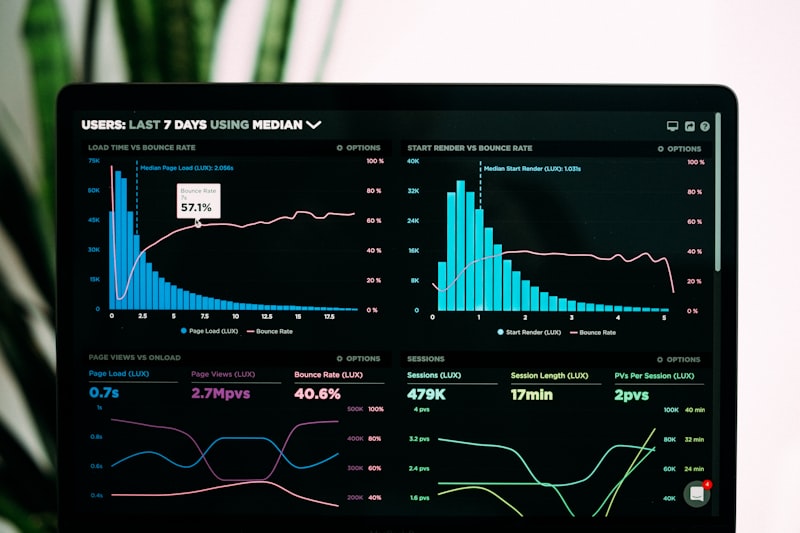
Understanding YouTube analytics is crucial for optimizing your content strategy
How the Algorithm Has Changed Since 2024
YouTube's algorithm undergoes constant refinement, but 2025 has brought several significant changes that creators need to understand:
- AI-Powered Content Analysis: YouTube now uses advanced AI to understand video content at a semantic level, going beyond metadata to analyze actual video and audio content.
- Personalized Watch Pages: The homepage is now highly personalized based on individual viewing habits, search history, and even time of day.
- Enhanced Contextual Understanding: The algorithm better understands the relationship between videos, allowing for more accurate recommendations of related content.
- Multi-Format Optimization: With the rise of Shorts, podcasts, and live streams, the algorithm now evaluates performance across different content formats.
- Emphasis on Creator Authority: Channels that demonstrate expertise in specific niches receive ranking boosts for relevant topics.
The Two Pathways to Discovery: Search vs. Recommendations
In 2025, YouTube content discovery happens through two primary pathways, each requiring different optimization strategies:
YouTube Search Optimization
Search optimization focuses on ranking for specific queries that users actively type into the search bar. Key elements include:
- Keyword-rich titles and descriptions
- Comprehensive coverage of search topics
- Clear, structured content with timestamps
- Authority signals through channel specialization
Recommendation Algorithm Optimization
Recommendation optimization focuses on appearing in users' feeds, suggested videos, and homepages. Key elements include:
- High click-through rate thumbnails and titles
- Strong audience retention, especially in the first 30 seconds
- Content that complements other popular videos
- Consistent publishing to stay in viewers' recommendation cycles
Algorithm Insight: The most successful channels in 2025 master both search and recommendation optimization. They create content that ranks for specific searches while also having broad appeal that keeps viewers engaged and watching more content across YouTube.
Understanding YouTube's AI: MUM and Beyond
YouTube now leverages Google's Multitask Unified Model (MUM) technology, which represents a significant advancement in how the platform understands content. Key implications for creators include:
- Cross-Modal Understanding: MUM can understand the relationship between video, audio, and text, creating a more holistic understanding of your content.
- Multilingual Capabilities: Content is now analyzed across languages, potentially expanding your international reach.
- Complex Query Understanding: YouTube can now understand nuanced, multi-part queries and match them to relevant content.
- Contextual Recommendations: The AI better understands the context in which content is consumed, leading to more relevant recommendations.
Understanding these algorithmic principles is the first step toward YouTube SEO mastery. In the following sections, we'll explore how to apply this knowledge to optimize every aspect of your content.
Advanced Keyword Research for YouTube
Keyword research remains the foundation of YouTube SEO, but the strategies have evolved significantly in 2025. With YouTube processing over 3 billion searches per day and the algorithm becoming increasingly sophisticated, a strategic approach to keyword research is more important than ever.
The YouTube Keyword Research Process for 2025
Effective keyword research in 2025 requires a multi-faceted approach that considers search volume, competition, user intent, and emerging trends. Follow this comprehensive process:
Step 1: Brainstorm Core Topics
Start by identifying broad topics relevant to your niche. Consider:
- Your expertise and knowledge areas
- Problems your target audience needs to solve
- Trending topics in your industry
- Gaps in existing content within your niche
Step 2: Expand with Keyword Tools
Use a combination of YouTube-specific and general SEO tools to expand your keyword list:
- YouTube Auto-suggest: The most direct source of YouTube search data
- YouTube Analytics: Analyze which search terms are already driving traffic to your channel
- Google Trends: Identify seasonal patterns and emerging topics
- Third-party Tools: Tools like VidIQ, TubeBuddy, and Ahrefs provide valuable search volume and competition data
Step 3: Analyze Search Intent
In 2025, understanding user intent is more critical than ever. Categorize keywords based on what users are trying to accomplish:
- Informational: Users seeking knowledge or answers (e.g., "how to fix a leaky faucet")
- Commercial: Users researching products or services (e.g., "best gaming laptops 2025")
- Transactional: Users ready to make a purchase (e.g., "buy iPhone 16 Pro")
- Navigational: Users looking for specific channels or creators (e.g., "MrBeast latest video")
Step 4: Evaluate Competition and Opportunity
Not all high-volume keywords are worth targeting. Assess the competitive landscape by:
- Analyzing the top-ranking videos for your target keywords
- Evaluating the production quality and content depth of competitors
- Identifying content gaps you can fill
- Calculating the "effort-to-reward" ratio for each keyword
Advanced keyword research tools provide valuable insights into search volume and competition
Advanced Keyword Research Strategies for 2025
Beyond the basics, these advanced strategies will give you a competitive edge in 2025:
Long-Tail Keyword Optimization
While competitive for broad terms has increased, long-tail keywords present significant opportunities:
- Target specific questions and problems
- Create comprehensive "ultimate guide" content
- Focus on niche topics where you can establish authority
- Leverage semantic search by covering related concepts
Seasonal and Trend Forecasting
Anticipating trends allows you to create content before demand peaks:
- Use Google Trends to identify seasonal patterns
- Monitor social media for emerging topics
- Create content calendars around predictable events
- Set up Google Alerts for industry keywords
Competitor Gap Analysis
Identify opportunities by analyzing what your competitors are missing:
- Use tools to extract competitors' ranking keywords
- Identify topics they've covered superficially that you can expand upon
- Look for outdated content that needs refreshing
- Find related topics they haven't covered at all
Semantic Keyword Clustering
With YouTube's improved semantic understanding, grouping related keywords can boost relevance:
- Create content pillars around core topics
- Use semantically related terms throughout your content
- Develop interlinked video series on related subjects
- Optimize for concept clusters rather than individual keywords
YouTube-Specific Keyword Research Tools and Techniques
While general SEO tools are helpful, these YouTube-specific approaches yield the best results:
YouTube Search Autocomplete
The most accurate source of YouTube search data is YouTube itself:
- Start typing your core topic in YouTube search and note the suggestions
- Use different question words (how, what, when, where, why)
- Try different prepositions and modifiers (best, review, tutorial)
- Experiment with misspellings and alternative phrasings
YouTube Analytics Research Tab
YouTube provides direct insights into what your audience is searching for:
- Analyze which search terms are already driving traffic to your channel
- Identify related searches that your audience is interested in
- Discover untapped keyword opportunities with high impression-to-view ratios
- Monitor how your search traffic changes over time
Competitor Video Analysis
Reverse-engineer your competitors' successful keywords:
- Analyze the titles, descriptions, and tags of top-ranking videos
- Use tools to extract competitors' ranking keywords
- Identify patterns in their most successful content
- Look for keywords they rank for but haven't fully capitalized on
Comment Section Mining
Your audience tells you exactly what they want to see:
- Analyze questions and requests in your video comments
- Look for common themes across multiple videos
- Monitor comments on competitors' videos for additional insights
- Use these insights to create highly targeted content
Pro Tip: Create a "keyword universe" for your channel—a comprehensive document that maps out all relevant keywords, their search volume, competition level, and content opportunities. This living document should guide your content strategy and be updated regularly as you discover new opportunities.
Measuring Keyword Performance and Iterating
Keyword research isn't a one-time activity. Continuously monitor and refine your approach:
- Track how each video performs for its target keywords
- Identify which keywords drive the most engaged traffic
- Adjust your strategy based on performance data
- Regularly revisit your keyword universe to identify new opportunities
By implementing these advanced keyword research strategies, you'll be able to identify high-opportunity keywords that drive targeted traffic to your channel and establish your authority within your niche.
Optimizing Video Metadata for Maximum Visibility
Video metadata—your titles, descriptions, tags, and thumbnails—forms the foundation of YouTube SEO. In 2025, with increased competition and a more sophisticated algorithm, optimizing every element of your metadata is crucial for standing out and ranking well.
Crafting SEO-Optimized Titles
Your video title is one of the most important ranking factors and the first thing potential viewers see. Follow these best practices for 2025:
Title Structure and Formula
Effective titles in 2025 follow specific patterns that balance SEO requirements with clickability:
- Primary Keyword First: Place your main keyword at the beginning of the title when possible
- Add Context: Include secondary keywords or clarifying information
- Create Curiosity: Use power words that encourage clicks without clickbait
- Include Numbers: Lists and specific numbers perform well (e.g., "7 Ways to...")
- Add Brackets: Use brackets to provide additional context [Tutorial, Review, 2025]
Title Length Optimization
Balance keyword inclusion with readability and display limitations:
- Ideal Length: 50-60 characters for full visibility on all devices
- Maximum Length: Stay under 70 characters to avoid truncation
- Mobile Consideration: Test how your titles appear on mobile devices
- Search Result Display: Ensure your primary keyword is visible when truncated
Avoiding Common Title Mistakes
Steer clear of these title pitfalls that can hurt your performance:
- Clickbait: Misleading titles lead to high bounce rates and algorithm penalties
- Keyword Stuffing: Natural, readable titles outperform awkward, over-optimized ones
- All Caps: Excessive capitalization appears spammy and reduces credibility
- Emoji Overuse: While occasionally effective, too many emojis can appear unprofessional
Writing Compelling Descriptions
Your video description provides context to both viewers and the algorithm. In 2025, descriptions have evolved beyond simple keyword placement:
Description Structure for 2025
Structure your descriptions to maximize both user experience and SEO value:
- First 150 Characters: Include your primary keyword and a compelling hook that appears in search results
- Detailed Summary: Provide a comprehensive overview of your video content
- Timestamps: Use chapters to improve user experience and potentially earn rich snippets
- Links and Resources: Include relevant links with clear context
- Subscription CTA: Encourage viewers to subscribe and engage with your channel
- Keyword-Rich Footer: Include secondary keywords and related terms
Advanced Description Optimization Techniques
Go beyond basic description writing with these advanced strategies:
- Semantic Keyword Integration: Naturally include related terms and concepts
- Question Incorporation: Address common questions your target audience might have
- Transcript Excerpts: Include key quotes or concepts from your video
- Structured Data Markup: Use schema.org markup where appropriate for enhanced search features

Optimizing every element of your video metadata is crucial for visibility
Strategic Tag Implementation
While tags have diminished in importance compared to earlier YouTube algorithms, they still play a role in content classification and discovery:
Tag Strategy for 2025
Implement a strategic approach to tagging that maximizes their limited value:
- Primary Keyword Tag: Use your exact target keyword as the first tag
- Secondary Keyword Tags: Include variations and related terms
- Misspelling Tags: Include common misspellings of your keywords
- Broad Category Tags: Add general tags that describe your content category
- Competitor Channel Tags: Some creators still use tags of similar channels (use sparingly)
Tag Best Practices
Follow these guidelines to ensure your tags are effective without being spammy:
- Relevance First: Only use tags that accurately describe your content
- Moderate Quantity: 10-15 well-chosen tags are more effective than 30+ irrelevant ones
- Specificity Balance: Mix broad and specific tags to capture different search intents
- No Keyword Stuffing: Avoid repetitive or misleading tags
Thumbnail Psychology and Design
Your thumbnail is arguably the most important element for click-through rate, which significantly impacts your ranking potential. In 2025, thumbnail strategies have evolved:
Elements of High-Performing Thumbnails
Successful thumbnails in 2025 typically include these elements:
- High Contrast: Use contrasting colors to make your thumbnail stand out
- Human Element: Include faces with expressive emotions when appropriate
- Minimal Text: Use brief, impactful text that complements rather than explains
- Consistent Branding: Develop a recognizable style across your channel
- Curiosity Gap: Create intrigue without being misleading
Thumbnail Testing and Optimization
Continuously improve your thumbnails through systematic testing:
- A/B Testing: YouTube now allows thumbnail A/B testing for some channels
- Analytics Review: Analyze which thumbnails generate the highest CTR
- Competitor Analysis: Study successful thumbnails in your niche
- Mobile Optimization: Ensure your thumbnails are effective on small screens
Advanced Metadata Optimization Techniques
Beyond the basics, these advanced strategies can give you a competitive edge:
Schema Markup for Videos
Implement structured data to enhance your search appearance:
- Use VideoObject schema to provide search engines with detailed video information
- Include timestamps for key moments to potentially earn chapter rich results
- Add FAQ schema to address common questions from your video content
- Implement HowTo schema for tutorial content
Multilingual Metadata
Expand your reach by optimizing for multiple languages:
- Use YouTube's subtitle translation features
- Create multilingual titles and descriptions for international audiences
- Research keywords in different languages relevant to your content
- Consider creating separate video versions for major language markets
Accessibility Integration
Improve your metadata for accessibility, which can indirectly boost SEO:
- Write descriptive alt text for your thumbnails
- Provide comprehensive closed captions
- Use clear, descriptive language in your titles and descriptions
- Ensure your content is navigable for users with disabilities
Metadata Mastery: The most successful YouTube creators in 2025 treat metadata as an integrated system rather than individual elements. They ensure that titles, descriptions, tags, and thumbnails work together to communicate a cohesive message to both viewers and the algorithm, resulting in higher click-through rates, better audience retention, and improved rankings.
By implementing these metadata optimization strategies, you'll create a solid foundation for YouTube SEO success. Remember that metadata should be continuously tested and refined based on performance data to maximize its effectiveness.
Content Optimization Strategies
While metadata optimization helps users find your videos, content optimization ensures they stay engaged once they start watching. In 2025, with attention spans shorter than ever and competition at an all-time high, creating content that captivates and retains viewers is essential for YouTube SEO success.
Structuring Your Video for Maximum Retention
Video structure significantly impacts audience retention, which is a critical ranking factor. Implement these structural elements in your 2025 videos:
The Hook (First 15-30 Seconds)
Your opening moments determine whether viewers will continue watching:
- Immediate Value Proposition: Clearly state what viewers will gain from your video
- Problem Identification: Acknowledge the pain point your video addresses
- Curiosity Creation: Tease interesting information or revelations to come
- Energy and Enthusiasm: Start with high energy to capture attention
- Visual Engagement: Use compelling visuals from the very first frame
Content Delivery (Middle Section)
Maintain engagement throughout the body of your video:
- Progressive Disclosure: Reveal information in a logical, building sequence
- Pacing Variety: Alternate between fast-paced and slower, more detailed sections
- Visual Reinforcement: Use graphics, B-roll, and on-screen text to reinforce key points
- Mini-Cliffhangers: Create small moments of anticipation before revealing information
- Practical Demonstrations: Show rather than tell whenever possible
Conclusion and Call-to-Action (Final 1-2 Minutes)
End your video strong to encourage further engagement:
- Summary of Key Points: Reinforce the main takeaways
- Value Recap: Remind viewers what they've gained from your content
- Clear Call-to-Action: Direct viewers to next steps (watch another video, subscribe, etc.)
- Tease Future Content: Hint at what's coming next to build anticipation
- Community Building: Encourage comments and interaction
Advanced Content Optimization Techniques
Beyond basic structure, these advanced techniques can significantly improve your content performance:
Chapter Timestamps
YouTube now automatically generates chapters for many videos, but manually adding them provides additional benefits:
- Improved User Experience: Viewers can navigate directly to sections that interest them
- Increased Watch Time: Chapters can reduce skipping and dropping off
- Rich Results Potential: Timestamps may appear in search results, increasing CTR
- Content Organization: Forces you to structure your content logically
Strategic Pacing and Editing
Modern YouTube audiences have specific expectations for video pacing:
- Remove Dead Air: Edit out pauses, mistakes, and unnecessary repetition
- Dynamic Editing: Use cuts, transitions, and camera angles to maintain visual interest
- B-roll Integration: Supplement talking head footage with relevant visuals
- Sound Design: Use music and sound effects strategically to enhance engagement
- Retention Analytics: Use YouTube's retention graphs to identify drop-off points and adjust your editing accordingly

Strategic editing and pacing are crucial for maintaining audience engagement
Interactive Elements
YouTube's interactive features can significantly boost engagement:
- End Screens: Promote other videos, playlists, or channels
- Cards: Add contextual information or links throughout your video
- Polls and Quizzes: Engage viewers with interactive elements
- Community Tab Posts: Extend the conversation beyond individual videos
Content Quality and Production Value
In 2025, production quality expectations have increased across all niches. While you don't need Hollywood-level production, certain quality standards are now table stakes:
Audio Quality
Poor audio is the number one reason viewers abandon videos:
- Clear Voice Recording: Use a quality microphone and proper recording techniques
- Background Noise Reduction: Record in quiet environments and use noise reduction tools
- Consistent Levels: Maintain consistent volume throughout your video
- Strategic Music Use: Use background music that complements rather than competes with your voice
Visual Quality
Viewers have become accustomed to high-quality visuals:
- Proper Lighting: Ensure your subject is well-lit and visible
- Stable Footage: Use stabilization techniques to avoid shaky video
- Appropriate Resolution: Upload in the highest resolution your equipment can capture
- Color Correction: Use basic color grading to improve visual appeal
Content Depth and Comprehensiveness
YouTube increasingly rewards comprehensive, authoritative content:
- Thorough Research: Back up your claims with credible sources
- Multiple Perspectives: Address counterarguments or alternative approaches
- Practical Applications: Include real-world examples and implementations
- Updated Information: Ensure your content reflects current best practices
Content Series and Playlist Strategy
Creating interconnected content can significantly boost watch time and channel authority:
Content Series Development
Series encourage viewers to watch multiple videos in sequence:
- Progressive Learning: Create sequences where each video builds on previous knowledge
- Thematic Consistency: Develop series around core topics or challenges
- Consistent Branding: Use similar thumbnails, titles, and intro sequences
- Cross-Promotion: Reference other videos in the series throughout your content
Strategic Playlist Creation
Playlists are powerful tools for increasing session watch time:
- Topic-Based Organization: Group videos by subject matter rather than upload date
- Logical Sequencing: Order videos in a way that makes sense for viewers
- Optimized Playlist Metadata: Use keyword-rich titles and descriptions for playlists
- Featured Playlists: Showcase your most important playlists on your channel homepage
Content Refresh and Evergreen Strategy
In 2025, content maintenance is as important as content creation:
Identifying Content for Refresh
Not all content needs updating, but some signals indicate refresh opportunities:
- Declining Performance: Videos with decreasing views or retention
- Outdated Information: Content with obsolete facts, statistics, or methods
- Improved Production Capabilities: Older videos with significantly lower production quality
- Algorithm Changes: Content that could perform better with updated metadata
Content Refresh Strategies
Different approaches to refreshing content based on its current performance:
- Metadata Updates: Improving titles, descriptions, and thumbnails
- Content Annotations: Adding text overlays to correct or update information
- Video Replacement: Completely re-shooting and replacing underperforming content
- Series Integration: Linking older content to newer, related videos
Content Optimization Insight: The most successful YouTube creators in 2025 treat each video as both a standalone piece of content and part of a larger ecosystem. They optimize individual videos for maximum performance while ensuring they contribute to broader channel goals, resulting in compounded growth over time.
By implementing these content optimization strategies, you'll create videos that not only attract viewers through effective SEO but keep them engaged through superior content quality and structure. This combination is the key to sustainable YouTube growth in 2025.
Maximizing Audience Engagement
Audience engagement is the lifeblood of YouTube success in 2025. Beyond simply attracting viewers, your ability to foster interaction, build community, and encourage repeat viewership significantly impacts your channel's growth and ranking potential. This section explores advanced strategies for maximizing engagement across all aspects of your YouTube presence.
Strategic Community Interaction
Building a vibrant community around your channel requires intentional effort and strategic planning:
Comment Section Management
Your comment section is more than just feedback—it's a ranking signal and community hub:
- Timely Responses: Aim to respond to comments within the first 24 hours of video publication
- Strategic Pinning: Pin comments that add value, ask important questions, or spark discussion <
- Comment Moderation: Use filters to automatically hold inappropriate comments while maintaining authentic discussion
- Community Questions: Pose specific questions in your videos to encourage targeted comments
- Comment Integration: Feature interesting comments in future videos to encourage participation
YouTube Community Tab Optimization
The Community Tab provides additional engagement opportunities beyond video comments:
- Regular Posts: Share updates, behind-the-scenes content, and questions between video uploads
- Polls and Surveys: Use interactive features to gather audience feedback and preferences
- Exclusive Content: Offer Community Tab exclusives to reward dedicated subscribers
- Cross-Promotion: Use Community posts to promote new videos and playlists
Advanced Call-to-Action Strategies
Effective CTAs guide viewer behavior in ways that benefit both your channel and the viewer experience:
Strategic CTA Placement
Timing and context significantly impact CTA effectiveness:
- Value-First Approach: Provide substantial value before asking for engagement
- Natural Integration: Weave CTAs seamlessly into your content rather than abrupt requests
- Multiple Touchpoints: Include CTAs at different points in your video with varying emphasis
- Contextual Relevance: Tailor CTAs to specific content moments (e.g., subscribe after delivering key insight)
Diversified CTAs
Different CTAs serve different purposes in your overall engagement strategy:
- Subscription CTAs: Focus on channel benefits rather than simply asking for subscriptions
- Watch Next CTAs: Suggest specific videos that logically follow your current content
- Comment CTAs: Pose specific, answerable questions to generate discussion
- Share CTAs: Encourage sharing when content has high social currency or utility value
- Playlist CTAs: Direct viewers to curated content collections for extended viewing sessions

Building an engaged community is essential for long-term YouTube success
Leveraging YouTube's Interactive Features
YouTube offers numerous built-in features to increase engagement—use them strategically:
End Screen Optimization
End screens keep viewers on your channel after your video concludes:
- Strategic Element Placement: Use a combination of video, playlist, and subscribe elements
- Relevance Prioritization: Promote content that's closely related to the current video
- Timing Considerations: Place end screens when retention is naturally declining, not after abrupt endings
- Mobile Optimization: Ensure end screens are effective on smaller displays
Card Implementation
Cards provide contextual opportunities for engagement throughout your video:
- Strategic Timing: Place cards at natural transition points or when referencing related content
- Varied Card Types: Use different card types (video, playlist, channel, poll) based on context
- Relevance Testing: Experiment with different card placements and monitor performance
- Non-Intrusive Design: Ensure cards enhance rather than interrupt the viewing experience
Building Viewer Loyalty and Habit Formation
Loyal, returning viewers are significantly more valuable than one-time viewers:
Consistency and Predictability
Consistent patterns help viewers form watching habits:
- Upload Schedule: Maintain a predictable publishing schedule that viewers can anticipate
- Content Patterns: Develop recognizable formats, segments, or series structures
- Brand Consistency: Use consistent visual and audio branding across all content
- Communication Reliability: Notify viewers of schedule changes or special events in advance
Value Reinforcement
Consistently remind viewers why they should keep watching your content:
- Benefit-Oriented Messaging: Regularly articulate the value your channel provides
- Progress Recognition: Acknowledge viewer milestones and channel growth
- Exclusive Perceptions: Create feelings of exclusivity or insider knowledge for subscribers
- Community Identity: Foster a sense of belonging to a special group or community
Advanced Engagement Analytics
YouTube provides detailed engagement data—use it to refine your strategies:
Engagement Metric Analysis
Go beyond surface-level metrics to understand viewer behavior:
- Audience Retention Patterns: Identify specific content segments that cause drop-offs or re-watches
- CTR Correlation: Analyze how thumbnail/title combinations affect both CTR and retention
- Engagement Velocity: Monitor how quickly likes, comments, and shares accumulate after publishing
- Traffic Source Patterns: Understand how viewers from different sources engage with your content
A/B Testing for Engagement
Systematically test engagement strategies to identify what works best:
- CTA Testing: Experiment with different CTA timing, placement, and messaging
- Content Structure Tests: Try different video lengths, segment orders, and pacing
- Interactive Feature Tests: Compare performance with and without specific cards or end screens
- Community Approach Tests: Experiment with different comment response strategies and Community Tab usage
Engagement Philosophy: The most successful YouTube creators in 2025 view engagement not as a series of tactics to manipulate metrics, but as genuine relationship-building with their audience. They prioritize creating value, fostering community, and maintaining authentic connections, which naturally results in the engagement metrics that YouTube's algorithm rewards.
By implementing these advanced engagement strategies, you'll transform passive viewers into active community members who regularly watch, interact with, and share your content. This engaged audience base becomes your most valuable asset for sustainable YouTube growth.
YouTube Shorts SEO Strategy
YouTube Shorts has evolved from an experimental feature to a core component of YouTube's ecosystem in 2025. With Shorts now generating over 50 billion daily views and being integrated into the main YouTube algorithm, developing a sophisticated Shorts SEO strategy is essential for comprehensive channel growth.
Understanding the Shorts Algorithm
The Shorts algorithm operates differently from traditional YouTube videos, prioritizing rapid engagement and shareability:
Key Shorts Ranking Factors
Shorts are ranked based on a unique set of engagement metrics:
- View-Through Rate: The percentage of the Short watched (especially important for the first few seconds)
- Replay Rate: How often viewers watch the Short multiple times
- Shares: The frequency with which the Short is shared across platforms
- Likes vs. Views Ratio: The percentage of viewers who like the Short
- Subscriber Conversion: How effectively the Short converts viewers to channel subscribers
- Comment Engagement: Both quantity and velocity of comments
Shorts Discovery Pathways
Shorts can be discovered through multiple pathways, each requiring different optimization approaches:
- Shorts Feed: The vertical scrolling feed dedicated exclusively to Shorts content
- Homepage Recommendations: Shorts appearing alongside traditional videos on the YouTube homepage
- Search Results: Shorts appearing in search results for relevant queries
- Channel Pages: The dedicated Shorts shelf on channel homepages
- External Shares: Shorts shared on other platforms driving traffic back to YouTube
Shorts-Specific Optimization Techniques
Optimizing Shorts requires a different approach than traditional YouTube videos:
Hook Optimization for Shorts
With Shorts, you have mere seconds to capture attention:
- Immediate Visual Impact: Start with compelling visuals from the very first frame
- Text Overlay Hooks: Use bold text to immediately communicate the Short's value proposition
- Audio Strategy: Leverage trending sounds or create distinctive audio branding
- Curiosity Gaps: Pose questions or tease revelations early to encourage watching until the end
Shorts Metadata Optimization
While shorter than traditional video metadata, Shorts titles and descriptions still impact discoverability:
- Keyword-Rich Titles: Include primary keywords while maintaining clickability
- Strategic Hashtags: Use 3-5 relevant hashtags, including #Shorts as the first tag
- Description Optimization: Write concise descriptions with keywords and clear CTAs
- Thumbnail Selection: Choose compelling frames from your Short as the thumbnail

YouTube Shorts are optimized for mobile viewing and rapid consumption
Advanced Shorts Content Strategies
Beyond basic optimization, these content strategies can significantly improve Shorts performance:
Series and Narrative Arcs
Create connected Shorts series to encourage binge-watching:
- Progressive Storytelling: Develop narratives that unfold across multiple Shorts
- Consistent Branding: Use similar visual elements, music, and pacing across series Shorts
- Cliffhanger Endings: End Shorts with questions or unresolved situations to encourage watching the next installment
- Series Playlists: Organize related Shorts into playlists for easy discovery
Leveraging Trends and Challenges
Participating in trends can dramatically increase Shorts visibility:
- Trend Monitoring: Regularly check the Shorts feed for emerging trends and sounds
- Authentic Participation: Put your unique spin on trends rather than simply copying
- Rapid Execution: Create trend-based content quickly before trends fade
- Niche Adaptation: Adapt broad trends to fit your specific channel niche
Educational and Value-Driven Shorts
While entertainment Shorts perform well, educational content has significant potential:
- Quick Tips and Hacks: Share valuable information in easily digestible formats
- Problem-Solution Format: Present a problem and its solution within the Shorts timeframe
- Myth Debunking: Address common misconceptions in your niche
- Process Demonstrations: Show interesting processes from start to finish
Integrating Shorts with Long-Form Content
The most successful channels in 2025 use Shorts and long-form videos synergistically:
Cross-Promotion Strategies
Use Shorts to drive traffic to your long-form content and vice versa:
- Teaser Shorts: Create compelling previews of longer videos to drive views
- Value Extraction: Pull the most engaging moments from long-form videos into Shorts
- Behind-the-Scenes Content: Share Shorts showing the creation process for long-form videos
- Audience Question Shorts: Create Shorts answering questions from your long-form video comments
Content Repurposing
Maximize your content creation efforts by repurposing across formats:
- Vertical Format Adaptation: Reform at long-form content specifically for Shorts' vertical format
- Series Deconstruction: Break down long-form series into Shorts-sized segments
- Concept Expansion: Use Shorts to explore tangential ideas mentioned in long-form content
- Audience Testing: Use Shorts to test concepts before committing to long-form production
Shorts Analytics and Performance Measurement
YouTube provides specific analytics for Shorts—use them to refine your strategy:
Key Shorts Metrics to Monitor
Focus on these specific metrics to understand Shorts performance:
- Average View Duration: Especially important for content under 60 seconds
- Shorts Swipe-away Rate: How quickly viewers swipe to the next Short
- Shorts-to-Channel View Conversion: How many Shorts viewers watch your other content
- Shorts-driven Subscriptions: Subscriptions directly attributed to Shorts views
- Top Shorts Traffic Sources: Where your most successful Shorts are being discovered
Shorts Performance Analysis
Go beyond surface metrics to understand what makes certain Shorts successful:
- Content Pattern Identification: Analyze your top-performing Shorts for common elements
- Audience Retention Analysis: Use retention graphs to identify drop-off points
- Cross-Platform Performance: Monitor how Shorts perform when shared on other platforms
- Seasonal and Trend Analysis: Identify patterns in Shorts performance based on timing and trends
Shorts Strategy Insight: The most successful YouTube channels in 2025 don't treat Shorts as a separate content strategy but as an integrated component of their overall channel ecosystem. They create Shorts that both stand alone as engaging content and serve as gateways to their broader channel offerings, resulting in compounded growth across all content formats.
By implementing these advanced YouTube Shorts strategies, you'll leverage this powerful format to increase channel visibility, drive subscriptions, and create additional engagement opportunities beyond traditional long-form content.
YouTube Analytics for SEO Insights
YouTube Analytics has evolved into a sophisticated data analysis platform that provides invaluable insights for SEO optimization. In 2025, with more data points and advanced reporting capabilities, leveraging analytics is no longer optional—it's essential for making informed decisions that drive channel growth.
Essential YouTube Analytics Reports for SEO
While YouTube Analytics offers numerous reports, these are the most critical for SEO optimization:
Overview Report
Your analytics dashboard provides a high-level view of channel performance:
- Watch Time Trends: Monitor overall watch time and identify patterns or anomalies
- Subscriber Growth: Track subscriber acquisition and identify what content drives growth
- Top Videos: Identify your best-performing content for pattern analysis
- Real-Time Activity: Monitor immediate viewer response to new uploads
Reach Report
This report provides crucial data about how viewers discover your content:
- Impressions and CTR: Analyze how often your videos are shown and how many clicks they generate
- Traffic Source Types: Understand where your views originate (YouTube search, suggested videos, external, etc.)
- Suggested Videos Performance: Identify which videos drive the most traffic from recommendations
- Search Terms: Discover what keywords viewers use to find your content
Engagement Report
Engagement metrics directly impact your SEO performance:
- Audience Retention: Analyze how well your videos maintain viewer attention
- Top Cards and End Screens: Measure the effectiveness of your interactive elements
- Playback Locations: Understand where viewers watch your content (YouTube watch page, channel page, etc.)
- Device Types: Identify what devices your audience uses to watch your content
Audience Report
Understanding your audience helps create more targeted, relevant content:
- Demographics: Age, gender, and geographic distribution of your audience
- Other Videos They Watch: Discover content preferences of your viewers
- Other Channels They Watch: Identify competitor channels and potential collaboration opportunities
- When Your Viewers Are on YouTube: Optimize publishing times based on audience availability
YouTube Analytics provides invaluable insights for optimizing your SEO strategy
Advanced Analytics Interpretation
Beyond simply reading reports, advanced interpretation reveals actionable insights:
Correlation Analysis
Identify relationships between different metrics to understand what drives performance:
- CTR vs. Retention Correlation: Analyze whether high-CTR videos also have strong retention
- Video Length vs. Watch Time: Determine optimal video length for your specific audience
- Publishing Time vs. Initial Engagement: Identify when your audience is most responsive to new content
- Content Type vs. Subscriber Conversion: Determine which content formats drive the most subscriptions
Performance Pattern Identification
Look beyond individual video performance to identify broader patterns:
- Content Topic Performance: Identify which topics consistently perform well
- Format Success Patterns: Determine which video formats (tutorials, reviews, vlogs) resonate with your audience
- Seasonal Trends: Identify recurring seasonal patterns in your content performance
- Upload Frequency Impact: Analyze how publishing frequency affects overall channel performance
Data-Driven SEO Optimization
Use your analytics insights to make informed SEO decisions:
Keyword Strategy Refinement
Analytics data should directly inform your keyword strategy:
- Search Term Analysis: Identify high-performing search terms and create related content
- Keyword Gap Identification: Find search terms with high impression but low CTR that need optimization
- Long-Tail Opportunity Discovery: Identify specific, longer queries that drive engaged traffic
- Seasonal Keyword Planning: Use historical data to anticipate seasonal search trends
Content Strategy Optimization
Let data guide your content planning and creation:
- Performance-Based Topic Expansion: Create more content around your best-performing topics
- Format Optimization: Focus on creating content in formats that historically perform well
- Optimal Length Determination: Use watch time and retention data to determine ideal video length
- Series Development: Identify content that could be expanded into successful series
Advanced Analytics Tools and Techniques
Go beyond native YouTube Analytics with these advanced approaches:
Custom Reporting
Create customized reports that focus on your specific SEO goals:
- SEO Performance Dashboard: Track key SEO metrics in a single view
- Competitive Analysis Reports: Compare your performance against key competitors
- Content Funnel Analysis: Track how viewers move from discovery to subscription
- ROI Calculation: Measure the return on investment for different content types
Third-Party Analytics Integration
Supplement YouTube Analytics with additional data sources:
- Social Media Analytics: Correlate YouTube performance with social media activity
- Website Analytics: Track how YouTube drives traffic to your website or other properties
- CRM Integration: Connect YouTube performance with customer relationship data
- Advanced SEO Tools: Use tools like Google Search Console to understand how YouTube impacts search visibility
Implementing an Analytics-Driven Optimization Cycle
Transform analytics from a reporting tool to an optimization engine:
The Data-Informed Content Cycle
Establish a continuous improvement process based on analytics:
- Plan: Use historical data to inform content planning and keyword targeting
- Create: Produce content based on data-driven insights about what resonates with your audience
- Publish: Optimize publishing based on when your audience is most active
- Monitor: Track performance in real-time and identify optimization opportunities
- Analyze: Conduct deep-dive analysis after content has sufficient performance data
- Optimize: Make data-informed adjustments to metadata, content, and strategy
- Iterate: Apply lessons learned to future content planning and creation
Performance Benchmarking
Establish benchmarks to measure progress and identify areas for improvement:
- Channel Benchmarks: Track key metrics over time to measure channel growth
- Content Benchmarks: Establish performance standards for different content types
- Competitive Benchmarks: Compare your performance against industry standards
- Goal Tracking: Set specific, measurable goals and track progress toward them
Analytics Philosophy: The most successful YouTube creators in 2025 don't just look at analytics—they engage in continuous dialogue with their data. They ask specific questions, form hypotheses, test them through content experiments, and let the resulting data guide their strategic decisions, creating a virtuous cycle of data-informed improvement.
By mastering YouTube Analytics and implementing a data-driven optimization process, you'll make informed decisions that systematically improve your SEO performance and drive sustainable channel growth.
Leveraging AI Tools for YouTube SEO
Artificial Intelligence has transformed YouTube SEO in 2025, providing creators with powerful tools that automate optimization tasks, generate insights, and enhance content strategy. Understanding how to effectively leverage AI tools is no longer optional—it's essential for staying competitive in the rapidly evolving YouTube landscape.
AI-Powered Keyword Research and Content Planning
Advanced AI tools have revolutionized how creators approach keyword research and content planning:
Semantic Keyword Expansion
AI tools can identify related keywords and concepts that human researchers might miss:
- Topic Cluster Identification: AI analyzes search patterns to identify naturally related topic groups
- Search Intent Analysis: Machine learning models classify keywords by user intent with high accuracy
- Cross-Language Opportunity Discovery: AI identifies keyword opportunities in multiple languages
- Seasonal Pattern Prediction: Predictive algorithms forecast search trends before they peak
Content Gap Analysis
AI-powered competitive analysis reveals untapped content opportunities:
- Competitor Content Mapping: AI analyzes competitors' entire content libraries to identify gaps
- Audience Interest Prediction: Machine learning models predict emerging audience interests
- Content Saturation Assessment: AI evaluates how thoroughly topics have been covered across YouTube
- Opportunity Scoring: Algorithms rank content opportunities by potential ROI
AI-Enhanced Content Creation and Optimization
AI tools are increasingly integrated into the content creation process itself:
Automated Metadata Generation
AI can generate optimized titles, descriptions, and tags based on content analysis:
- Title Optimization: AI suggests multiple title options with predicted CTR scores
- Description Generation: Natural language processing creates comprehensive, keyword-rich descriptions
- Tag Recommendation: AI analyzes video content to suggest relevant tags
- A/B Testing Automation: Machine learning automatically tests different metadata combinations
Content Analysis and Enhancement
AI tools can analyze existing content to identify optimization opportunities:
- Retention Pattern Analysis: AI identifies specific content segments that cause viewer drop-off
- Engement Signal Processing: Machine learning correlates content elements with engagement metrics
- Competitive Content Analysis: AI deconstructs successful competitors' videos to identify winning patterns
- Content Refresh Recommendations: Algorithms identify older content with the highest refresh potential

AI tools are transforming how creators approach YouTube SEO and content strategy
AI-Powered Thumbnail and Title Optimization
Thumbnails and titles are critical for CTR, and AI tools have dramatically improved their optimization:
Predictive Thumbnail Analysis
AI can predict thumbnail performance before publication:
- CTR Prediction: Machine learning models estimate potential CTR for different thumbnail options
- Visual Element Analysis: AI identifies which visual elements (faces, text, colors) drive engagement
- Competitive Thumbnail Benchmarking: Algorithms compare your thumbnails against top performers in your niche
- Automated Thumbnail Generation: AI creates multiple thumbnail options based on successful patterns
Title Optimization AI
Advanced natural language processing enhances title creation:
- Emotional Impact Analysis: AI evaluates the emotional resonance of different title phrasings
- Length Optimization: Algorithms suggest ideal title lengths for different content types
- Keyword Integration Scoring: AI balances keyword inclusion with natural language flow
- Clickability Prediction: Machine learning models predict which titles will generate the most clicks
AI-Driven Performance Analytics and Insights
AI transforms raw analytics data into actionable insights:
Predictive Performance Analytics
Machine learning can forecast content performance before publication:
- View Prediction: AI models estimate potential views based on historical performance and current trends
- Engagement Forecasting: Algorithms predict likes, comments, and shares for planned content
- Subscriber Growth Projection: Machine learning forecasts how content will impact subscriber growth
- ROI Estimation: AI calculates potential return on investment for different content initiatives
Anomaly Detection and Alerting
AI monitors channel performance and flags unusual patterns:
- Performance Deviation Alerts: AI notifies you when metrics deviate significantly from expected patterns
- Algorithm Change Detection: Machine learning identifies potential algorithm updates based on performance changes
- Competitive Movement Alerts: AI monitors competitors and alerts you to significant changes in their strategy
- Opportunity Identification: Algorithms flag unexpected performance improvements that might indicate new opportunities
Implementing AI in Your YouTube SEO Workflow
Successfully integrating AI tools requires a strategic approach:
Tool Selection and Integration
Choose and implement AI tools that complement your workflow:
- Workflow Assessment: Identify which SEO tasks would benefit most from AI automation
- Tool Compatibility: Ensure AI tools integrate with your existing systems and workflows
- Data Security: Verify that AI tools handle your channel data securely and privately
- Learning Curve Consideration: Balance tool sophistication with usability and implementation time
Human-AI Collaboration
The most effective approach combines AI capabilities with human judgment:
- AI-Assisted Decision Making: Use AI insights to inform rather than replace human decisions
- Creative Direction Preservation: Ensure AI tools enhance rather than dictate your creative vision
- Quality Control: Maintain human oversight of AI-generated content and recommendations
- Continuous Refinement: Regularly assess and adjust how you use AI tools based on results
Ethical Considerations and Best Practices
As AI becomes more prevalent, ethical considerations become increasingly important:
Transparency and Disclosure
Maintain transparency about your use of AI tools:
- Content Origin Clarity: Be transparent when AI plays a significant role in content creation
- Algorithmic Decision Explanation: Understand and be able to explain AI-driven decisions
- Audience Expectation Management: Ensure your use of AI aligns with audience expectations
- Compliance with Platform Policies: Adhere to YouTube's guidelines regarding AI-generated content
Bias Mitigation
AI tools can perpetuate or amplify biases if not used carefully:
- Diverse Data Training: Ensure AI tools are trained on diverse data sets
- Bias Awareness: Remain aware of potential biases in AI recommendations
- Human Oversight: Maintain human review of AI-generated content and strategies
- Continuous Monitoring: Regularly assess AI tools for biased outputs or recommendations
AI Integration Philosophy: The most successful YouTube creators in 2025 view AI not as a replacement for human creativity and judgment, but as a powerful augmentation tool. They leverage AI to handle repetitive tasks, generate insights, and optimize processes, freeing up mental bandwidth for strategic thinking and creative innovation that AI cannot replicate.
By strategically implementing AI tools in your YouTube SEO workflow, you can dramatically improve efficiency, uncover valuable insights, and optimize your content strategy in ways that would be impossible through manual effort alone.
Advanced YouTube SEO Techniques
Once you've mastered the fundamentals of YouTube SEO, implementing these advanced techniques can provide the competitive edge needed to stand out in 2025's crowded landscape. These strategies leverage psychological principles, platform nuances, and cross-channel integration to maximize your channel's growth potential.
Psychological Optimization Strategies
Understanding viewer psychology allows you to create content that resonates on a deeper level:
Cognitive Bias Leverage
Incorporate principles from behavioral psychology to enhance engagement:
- Curiosity Gap Implementation: Create intentional knowledge gaps that viewers feel compelled to fill
- Social Proof Integration: Highlight viewer numbers, comments, and engagement to signal popularity
- Reciprocity Principle Application: Provide exceptional value to create psychological obligation for engagement
- Scarcity and Urgency Creation: Use limited-time offers or exclusive content to drive immediate action
Emotional Resonance Engineering
Content that evokes emotion generates stronger engagement and memorability:
- Story Arc Development: Structure content with traditional narrative elements (setup, conflict, resolution)
- Emotional Peak Planning: Intentionally create emotional high points throughout your content
- Authentic Vulnerability: Share appropriate personal challenges and learning experiences
- Empathy-Based Content: Address viewer frustrations, aspirations, and pain points directly
Algorithm Relationship Building
Advanced creators don't just react to the algorithm—they build relationships with it:
Consistent Performance Signaling
Send clear, consistent signals to YouTube's algorithm about your channel's value:
- Watch Time Optimization: Structure content to maximize session watch time across multiple videos
- Engagement Velocity Focus: Prioritize rapid initial engagement to signal content quality to the algorithm
- Return Viewer Cultivation: Develop content strategies specifically designed to encourage repeat viewership
- Algorithm Trust Building: Maintain consistent quality and performance to build algorithmic confidence in your content
Multi-Format Algorithm Synergy
Leverage different content formats to send complementary signals to the algorithm:
- Format-Specific Strength Development: Excel in specific formats to build authority signals
- Cross-Format Audience Migration: Use different formats to move viewers through your content ecosystem
- Algorithm Signal Reinforcement: Use multiple formats to reinforce your channel's topical authority
- Format Experimentation Strategy: Systematically test new formats to identify additional growth opportunities

Advanced YouTube SEO requires strategic planning and sophisticated implementation
Competitive Intelligence and Positioning
Advanced SEO requires understanding not just your content, but your competitive landscape:
Strategic Content Positioning
Differentiate your content in ways that are meaningful to both viewers and the algorithm:
- Content Gap Exploitation: Identify and dominate underserved content areas within your niche
- Quality Differentiation: Significantly outperform competitors on production value or depth of information
- Format Innovation: Develop unique content formats that competitors aren't using
- Audience Segment Specialization: Focus on specific audience segments that larger creators overlook
Competitive Algorithm Analysis
Reverse-engineer competitors' successful SEO strategies:
- Ranking Pattern Identification: Analyze what types of content consistently rank well in your niche
- Metadata Reverse Engineering: Deconstruct successful competitors' title, description, and tag strategies
- Content Upgrade Opportunities: Identify ranking content that could be significantly improved
- Algorithm Change Response Analysis: Monitor how top competitors adapt to algorithm updates
Advanced Technical SEO Implementation
Technical optimizations that provide incremental advantages:
Structured Data Implementation
Use advanced markup to enhance how your content appears in search:
- VideoObject Schema: Implement detailed video schema to provide search engines with rich content information
- FAQ Markup: Use FAQ schema for content that answers common questions
- HowTo Structured Data: Implement HowTo markup for tutorial and educational content
- Cross-Platform Schema Integration: Ensure structured data consistency across your website and YouTube channel
Advanced YouTube Feature Utilization
Leverage underutilized YouTube features for competitive advantage:
- YouTube Chapters Optimization: Strategically use chapters to improve retention and potentially earn rich results
- Community Tab SEO: Optimize Community posts for search and discovery
- Playlist SEO Advanced Tactics: Implement sophisticated playlist strategies to increase session watch time
- YouTube Stories Integration: Use Stories to drive engagement and visibility for your main content
Cross-Platform SEO Integration
Advanced SEO extends beyond YouTube to create a cohesive cross-platform presence:
Multi-Platform Content Strategy
Develop content that works synergistically across multiple platforms:
- Platform-Specific Content Adaptation: Tailor content for different platforms while maintaining core messaging
- Cross-Platform SEO Signals: Use external platforms to send authority signals back to your YouTube channel
- Unified Keyword Strategy: Maintain consistent keyword targeting across all platforms
- Platform Algorithm Understanding: Develop sophisticated understanding of how different platform algorithms work together
External SEO Integration
Leverage external SEO to boost your YouTube channel:
- Website YouTube Integration: Use your website to send authority signals to your YouTube channel
- Backlink Strategy: Develop a strategic approach to earning backlinks to your YouTube content
- Social Signal Optimization: Use social media to generate engagement that impacts YouTube rankings
- Email SEO Integration: Leverage email marketing to drive engaged traffic to your YouTube content
Data-Informed Experimentation Framework
Advanced SEO requires continuous testing and optimization:
Structured Experimentation Process
Implement a systematic approach to testing and optimization:
- Hypothesis Development: Formulate specific, testable hypotheses based on data and observation
- Experiment Design: Create controlled experiments that isolate specific variables
- Implementation: Execute experiments with appropriate tracking and measurement
- Analysis: Rigorously analyze results to validate or invalidate hypotheses
- Implementation: Apply successful findings to your broader content strategy
- Documentation: Maintain detailed records of experiments and outcomes for future reference
Advanced Metric Tracking
Go beyond standard metrics to track advanced performance indicators:
- Engagement Velocity: Track how quickly engagement accumulates after publication
- Viewer Journey Mapping: Analyze how viewers move through your content ecosystem
- Content Funnel Performance: Measure how effectively content moves viewers through the engagement funnel
- Algorithm Response Patterns: Identify how the algorithm responds to different types of content and engagement
Advanced Strategy Insight: The most successful YouTube creators in 2025 don't view SEO as a separate activity from content creation—they see it as an integral part of their creative process. They bake SEO considerations into their content planning, creation, and distribution workflows, resulting in content that is both creatively satisfying and algorithmically optimized.
By implementing these advanced YouTube SEO techniques, you'll develop a sophisticated, multi-faceted approach that leverages psychological principles, platform nuances, and cross-channel integration to maximize your channel's growth potential in 2025's competitive landscape.
YouTube SEO Success Stories
Examining real-world success stories provides valuable insights into how effective YouTube SEO strategies translate into tangible results. These case studies from 2024-2025 demonstrate how creators across different niches have leveraged advanced SEO techniques to achieve significant growth and establish dominant positions in their respective categories.
Case Study 1: The Educational Channel Transformation
Background
Science Simplified, an educational channel focusing on complex scientific concepts, was struggling to gain traction despite high-quality content. With 5,000 subscribers and averaging 500 views per video, the channel needed a strategic overhaul.
SEO Challenges
- Low search visibility for relevant keywords
- Poor click-through rates from search results
- High production quality but low audience retention
- Difficulty competing with established educational channels
Implemented SEO Strategies
The creator implemented a comprehensive SEO transformation:
- Advanced Keyword Research: Identified long-tail educational queries with high search volume but low competition
- Content Structure Optimization: Completely redesigned video structure to improve retention, with stronger hooks and clearer value propositions
- Metadata Overhaul: Systematically optimized all titles, descriptions, and tags based on performance data
- Series Development: Created interconnected video series to increase session watch time
- Competitive Gap Analysis: Identified content areas underserved by larger competitors
Results
Within six months of implementing these strategies:
- Subscribers grew from 5,000 to 85,000
- Average views per video increased from 500 to 15,000
- Watch time increased by 1,200%
- The channel became the top result for several targeted educational queries
- Monetization revenue increased by 900%
Key Takeaways
- Educational content benefits significantly from structured series and comprehensive topic coverage
- Long-tail keyword targeting can provide substantial growth even in competitive niches
- Content structure improvements can dramatically impact retention and overall performance

Educational channels can achieve significant growth through strategic SEO implementation
Case Study 2: The Lifestyle Channel Pivot
Background
Urban Wellness, a lifestyle channel focusing on big-city living, had plateaued at 25,000 subscribers. The channel covered broad lifestyle topics but struggled to stand out in a crowded space.
SEO Challenges
- Overly broad content focus made SEO targeting difficult
- Low authority signals for specific topics
- Inconsistent content performance
- Difficulty ranking for competitive lifestyle keywords
Implemented SEO Strategies
The creator implemented a strategic niche refinement and SEO optimization:
- Niche Specialization: Shifted focus from general lifestyle to specific urban wellness sub-niches
- Authority Building: Created comprehensive content pillars around specific wellness topics
- Local SEO Integration: Incorporated location-specific keywords to target urban audiences
- Content Upgrade Strategy: Systematically updated and re-optimized existing content
- Cross-Platform SEO: Leveraged Instagram and Pinterest to send authority signals to the YouTube channel
Results
Within nine months of implementing the refined strategy:
- Subscribers grew from 25,000 to 120,000
- Average views increased from 2,000 to 25,000 per video
- The channel became the authority for several urban wellness sub-topics
- Brand partnership opportunities increased significantly
- Watch time increased by 800%
Key Takeaways
- Niche specialization can provide significant SEO advantages in broad categories
- Authority building through comprehensive content pillars impacts rankings
- Cross-platform SEO integration can boost YouTube channel performance
Case Study 3: The Gaming Channel Algorithm Mastery
Background
Strategy Station, a gaming channel focusing on real-time strategy games, was struggling with algorithm visibility despite high production values and engaged community interaction.
SEO Challenges
- Highly competitive niche with established dominant channels
- Rapidly changing game meta made content quickly outdated
- Difficulty ranking for game-specific keywords
- Algorithm inconsistent in recommending content to new viewers
Implemented SEO Strategies
The creator implemented a sophisticated algorithm-focused SEO approach:
- Trend Anticipation Strategy: Developed content based on predicted game meta changes
- Rapid Optimization Process: Implemented quick metadata updates based on performance data
- Engagement Velocity Focus: Structured content and CTAs to maximize early engagement
- Algorithm Signal Reinforcement: Used multiple content formats to send consistent authority signals
- Community SEO Integration: Leveraged community engagement to boost algorithmic performance
Results
Within four months of implementing the algorithm-focused strategy:
- Subscribers grew from 40,000 to 200,000
- Views from recommendations increased by 450%
- The channel became a top result for several strategy game keywords
- Average video performance improved by 300%
- Algorithm consistency in recommending content significantly improved
Key Takeaways
- Algorithm-focused SEO can provide significant advantages in competitive niches
- Rapid optimization based on performance data is crucial in fast-moving categories
- Engagement velocity significantly impacts algorithmic recommendations
Case Study 4: The Business Channel Authority Establishment
Background
Startup Solutions, a business channel focusing on entrepreneurship and startup advice, had solid content but struggled to establish authority in a space dominated by high-profile influencers.
SEO Challenges
- Difficulty competing with established business influencers
- Low click-through rates despite relevant content
- Challenges establishing credibility and authority
- Difficulty ranking for competitive business keywords
Implemented SEO Strategies
The creator implemented an authority-building SEO strategy:
- Credibility Signal Optimization: Enhanced metadata to emphasize expertise and credentials
- Comprehensive Content Development: Created ultimate guides and comprehensive resources
- Social Proof Integration: Strategically incorporated testimonials and success stories
- Cross-Platform Authority Building: Leveraged LinkedIn and industry publications to build credibility
- Strategic Collaboration: Partnered with established authorities to borrow credibility
Results
Within twelve months of implementing the authority-focused strategy:
- Subscribers grew from 10,000 to 150,000
- The channel became a top result for several competitive business keywords
- Click-through rates improved by 65%
- Average view duration increased by 40%
- High-value brand partnerships increased significantly
Key Takeaways
- Authority building requires consistent credibility signals across multiple platforms
- Comprehensive, in-depth content establishes topical authority
- Strategic collaborations can accelerate authority establishment
Common Success Patterns Across Case Studies
Despite different niches and challenges, these successful case studies share common elements:
Strategic Focus and Specialization
All successful channels developed clear strategic focus areas:
- Identified specific sub-niches where they could establish authority
- Developed comprehensive content strategies around core topics
- Created consistent content patterns that viewers could recognize and anticipate
- Balanced broad appeal with specific expertise
Data-Informed Optimization
Successful creators leveraged data to guide their SEO strategies:
- Continuously monitored performance metrics and adjusted strategies accordingly
- Conducted systematic A/B testing of metadata and content elements
- Used analytics to identify high-performing content patterns
- Made data-informed decisions rather than relying on intuition alone
Algorithm Relationship Building
Advanced creators developed sophisticated relationships with YouTube's algorithm:
- Sent consistent performance signals through regular, high-quality content
- Structured content to maximize key algorithmic metrics
- Developed understanding of how different content types performed in the algorithm
- Built algorithmic trust through consistent performance and quality
Success Pattern Insight: The most successful YouTube SEO strategies in 2025 combine sophisticated technical optimization with deep audience understanding and strategic content planning. They treat SEO not as a separate activity but as an integrated component of their overall content strategy, resulting in sustainable growth and established authority within their niches.
These case studies demonstrate that with strategic SEO implementation, channels across various niches can achieve significant growth and establish dominant positions, even in competitive categories. The key is developing a sophisticated, multi-faceted approach that addresses both technical optimization and audience engagement.
The Future of YouTube SEO (2026+)
As we look beyond 2025, several emerging trends and technological developments are poised to reshape the YouTube SEO landscape. Understanding these future directions allows creators to position themselves for long-term success and adapt their strategies proactively rather than reactively.
AI and Machine Learning Evolution
Artificial intelligence will continue to transform YouTube SEO in increasingly sophisticated ways:
Advanced Content Understanding
YouTube's algorithm will develop even more nuanced understanding of video content:
- Multimodal AI Integration: Algorithms will simultaneously analyze visual, audio, and text elements with greater sophistication
- Emotional Intelligence: AI will assess emotional resonance and viewer emotional responses to content
- Cultural Context Understanding: Algorithms will better understand cultural nuances and regional preferences
- Predictive Content Analysis: AI will predict content performance before publication with increasing accuracy
Personalized Algorithmic Experiences
YouTube will move toward increasingly personalized algorithmic experiences:
- Individualized Ranking Factors: The algorithm will weight ranking factors differently based on individual user behavior
- Context-Aware Recommendations: Recommendations will consider time of day, device type, and current activity
- Mood-Based Content Matching: Algorithms will match content to viewer emotional states detected through engagement patterns
- Learning Style Adaptation: Educational content will be recommended based on individual learning preferences
Emerging Content Formats and Platforms
New content formats and platform integrations will create additional SEO opportunities:
Immersive and Interactive Content
Advanced content formats will require new optimization approaches:
- VR and AR Content Optimization: New metadata requirements for immersive content experiences
- Interactive Video SEO: Optimization strategies for choose-your-own-adventure and interactive content
- 360-Degree Video Optimization: Specialized optimization techniques for spherical video content
- Live Stream SEO Evolution: Advanced optimization for live and semi-live content formats
Cross-Platform Integration
YouTube will become increasingly integrated with other platforms and technologies:
- Social Platform Synthesis: Tighter integration with social media platforms affecting discovery patterns
- E-commerce Integration: Direct shopping features requiring product-focused SEO strategies
- Smart Device Optimization: Specialized optimization for content consumed on smart displays and devices
- Metaverse Preparation: Early optimization strategies for potential metaverse integration

AI and emerging technologies will continue to transform YouTube SEO in the coming years
Evolving User Behavior and Expectations
Changing user behaviors will require adaptations in SEO strategies:
Attention Economy Shifts
Evolving attention patterns will impact content strategy:
- Micro-Content Integration: Strategies for content that works across multiple attention spans
- Multi-Screen Optimization: Optimization for viewers consuming content across multiple devices simultaneously
- Background Consumption: Optimization for content consumed as background while performing other activities
- Bite-Sized Learning: Strategies for educational content optimized for short, focused learning sessions
Authenticity and Transparency Demands
Viewer expectations around authenticity will influence SEO:
- Authenticity Signals: Algorithmic recognition of genuine versus manufactured engagement
- Transparency Optimization: Ranking benefits for transparent business practices and disclosures
- Community Trust Metrics: Algorithmic consideration of community trust and credibility signals
- Ethical Content Recognition: Potential ranking benefits for ethically produced and sourced content
Technical SEO Evolution
Technical aspects of YouTube SEO will continue to evolve:
Structured Data and Semantic Search
Advanced technical implementations will become more important:
- Enhanced Video Schema: More detailed structured data requirements for video content
- Knowledge Graph Integration: Tighter integration with Google's Knowledge Graph affecting authority signals
- Semantic Relationship Mapping: Algorithms will better understand conceptual relationships between content
- Multi-Format Structured Data: Unified structured data across video, audio, and text content
Accessibility and Inclusion
Accessibility will become increasingly important for SEO:
- Accessibility Ranking Factors: Potential algorithmic consideration of accessibility features
- Inclusive Content Optimization: Strategies for content that serves diverse audiences
- Universal Design Principles: Optimization approaches based on universal design principles
- Multi-Language SEO: Advanced optimization for content in multiple languages
Preparing for the Future of YouTube SEO
Creators can take specific actions today to prepare for future SEO developments:
Future-Proofing Strategies
Implement strategies that will remain effective regardless of algorithmic changes:
- Quality Foundation Building: Focus on fundamental quality principles that transcend algorithm changes
- Audience Relationship Development: Build genuine audience relationships that provide stability during algorithmic shifts
- Multi-Format Content Creation: Develop skills across multiple content formats to adapt to new opportunities
- Continuous Learning Mindset: Maintain curiosity and adaptability in the face of changing platforms
Emerging Technology Preparation
Prepare for new technologies before they become mainstream:
- AI Literacy Development: Build understanding of AI principles and applications
- Technical Skill Expansion: Develop technical skills that will be valuable in future SEO landscapes
- Early Adoption Strategy: Develop approaches for testing and adopting new features and formats
- Data Analysis Capability: Enhance data analysis skills to interpret increasingly complex performance data
Ethical Considerations in Future YouTube SEO
As SEO becomes more sophisticated, ethical considerations will become increasingly important:
Algorithmic Responsibility
Creators will need to consider their responsibility in algorithmic systems:
- Ethical Optimization Boundaries: Defining appropriate boundaries for algorithmic optimization
- Algorithmic Bias Awareness: Understanding and mitigating potential biases in optimization strategies
- Transparency Standards: Developing standards for transparency in algorithmic optimization
- Community Impact Consideration: Considering broader community impacts of SEO strategies
Sustainable SEO Practices
Long-term sustainable approaches to YouTube SEO:
- Value-First Philosophy: Maintaining focus on viewer value as the foundation of SEO
- Authentic Growth Strategies: Prioritizing authentic growth over shortcut techniques
- Community-Centric Approach: Developing SEO strategies that benefit both creators and communities
- Long-Term Perspective: Adopting strategies focused on sustainable long-term growth
Future Vision: The most successful YouTube creators in 2026 and beyond will be those who combine sophisticated technical SEO knowledge with genuine audience connection and ethical business practices. They'll leverage advanced AI tools while maintaining human creativity and judgment, creating content that both algorithms and humans love.
By understanding these future directions and preparing accordingly, creators can position themselves for long-term success in the evolving YouTube ecosystem. The future of YouTube SEO will reward those who combine technical sophistication with authentic audience connection and ethical business practices.
Frequently Asked Questions (FAQs)
The timeline for seeing results from YouTube SEO varies based on several factors, but here's a general framework:
- Immediate (0-48 hours): You may see initial improvements in click-through rates and early engagement metrics after optimizing metadata.
- Short-term (1-4 weeks): Search rankings typically begin improving within this timeframe as the algorithm processes your optimization signals.
- Medium-term (1-3 months): Significant improvements in views, watch time, and subscriber growth become noticeable with consistent optimization.
- Long-term (3-6+ months): Sustainable growth and established authority in your niche develop with ongoing SEO efforts.
Factors that affect timeline include your niche competitiveness, content quality, optimization thoroughness, and consistency of implementation. The most successful creators view YouTube SEO as an ongoing process rather than a one-time fix.
While YouTube considers hundreds of ranking factors, the most important in 2025 is viewer satisfaction, which is measured through multiple engagement metrics. Specifically:
- Watch Time and Retention: How long viewers watch and how much of your video they complete
- Session Watch Time: How much total time viewers spend on YouTube after watching your content
- Engagement Signals: Likes, comments, shares, and other interactions
- Click-Through Rate (CTR): How often viewers click your video when it's shown to them
- Returning Viewers: How many viewers come back to watch more of your content
These factors collectively signal to YouTube that your content satisfies viewers, which is the ultimate goal of the platform's algorithm. Rather than focusing on any single metric, successful creators optimize for overall viewer satisfaction across all these dimensions.
There's no fixed number of keywords for optimal YouTube descriptions, but follow these guidelines:
- Primary Keywords: Include your main target keyword 2-3 times naturally throughout the description
- Secondary Keywords: Incorporate 5-10 related keywords and variations
- Semantic Keywords: Use 10-20 conceptually related terms that provide context
- Total Word Count: Aim for 250-500 words with natural keyword distribution
The key is natural integration rather than keyword stuffing. Write for humans first, ensuring your description is helpful and readable, while strategically placing relevant keywords. YouTube's advanced AI can understand semantic relationships, so focus on comprehensive topic coverage rather than exact keyword repetition.
Tags have diminished in importance compared to earlier YouTube algorithms, but they still serve specific purposes in 2025:
- Content Classification: Tags help YouTube understand how to categorize your content
- Misspelling Capture: Include common misspellings of your keywords
- Related Term Association: Tags can help associate your content with related concepts
- Limited Search Impact: Tags have minimal direct impact on search rankings but can help with content discovery
Best practices for 2025 include using 10-15 highly relevant tags, placing your primary keyword as the first tag, and including variations and related terms. Avoid misleading or irrelevant tags, as these can negatively impact performance. Focus your optimization efforts on titles, descriptions, and content quality, with tags as a supplementary optimization.
Upload frequency should balance consistency with quality. Here's a strategic approach:
- Consistency Over Frequency: A predictable schedule is more important than frequent uploads
- Quality Priority: Never sacrifice quality for frequency—poor content hurts your channel
- Niche Considerations: Some niches benefit from daily uploads, while others thrive with weekly content
- Audience Expectations: Consider what your specific audience expects and can reasonably consume
- Sustainable Pace: Choose a frequency you can maintain long-term without burnout
For most channels, 1-3 uploads per week provides optimal balance between maintaining audience engagement and producing quality content. The algorithm rewards channels that consistently publish quality content that keeps viewers engaged, regardless of specific frequency. Monitor your analytics to determine what works best for your specific audience and niche.
Ideal video length varies by content type and audience, but these are general guidelines for 2025:
- Educational Content: 10-20 minutes allows for comprehensive topic coverage
- Entertainment Content: 8-15 minutes maintains engagement while providing substantial value
- Tutorials/How-Tos: 5-15 minutes depending on complexity
- Vlogs: 10-20 minutes for day-in-the-life content
- Documentaries: 15-30+ minutes for in-depth exploration
The most important factor is matching video length to content depth—provide comprehensive coverage of your topic without unnecessary padding. Analyze your audience retention metrics to identify the optimal length for your specific content and audience. YouTube doesn't directly favor longer videos, but it does favor videos that keep viewers watching, which often correlates with appropriate length for the content type.
Improving Click-Through Rate (CTR) requires optimizing both thumbnails and titles:
- Thumbnail Optimization:
- Use high contrast and bright colors to stand out
- Include human faces with expressive emotions when appropriate
- Use minimal, impactful text that complements the title
- Create curiosity and questions that the video answers
- Maintain consistent branding across your channel
- Title Optimization:
- Place primary keywords at the beginning
- Use power words that evoke emotion or curiosity
- Include numbers and specifics when applicable
- Create clear value propositions
- Test different title structures and analyze performance
- Thumbnail-Title Synergy: Ensure your thumbnail and title work together to tell a compelling story
Regularly A/B test different thumbnail and title combinations, and use YouTube Analytics to identify what resonates with your audience. CTR significantly impacts your video's initial performance, which in turn affects long-term ranking potential.
While YouTube's auto-generated subtitles have improved, creating your own subtitles provides significant advantages:
- Accuracy: Manual subtitles are more accurate, especially for technical terms or specific terminology
- SEO Benefits: YouTube can use your subtitle text to better understand your content
- Accessibility: Proper subtitles make your content accessible to more viewers
- Professionalism: High-quality subtitles signal production quality and attention to detail
- International Reach: You can translate your own subtitles for different language markets
If creating manual subtitles isn't feasible, use YouTube's auto-generated subtitles as a starting point and edit them for accuracy. Even corrected auto-generated subtitles provide most of the SEO and accessibility benefits. For important content or content targeting international audiences, investing in professional subtitling often provides worthwhile returns.
Video chapters provide multiple SEO and user experience benefits in 2025:
- Improved User Experience: Viewers can navigate directly to sections that interest them
- Increased Watch Time: Chapters can reduce skipping and dropping off by helping viewers find relevant content
- Rich Results Potential: Chapters may appear in search results, increasing visibility and CTR
- Content Organization: The process of creating chapters forces better content structure
- Algorithm Signals: Chapters provide additional context about your content to YouTube's algorithm
To maximize benefits, create clear, descriptive chapter titles that include relevant keywords. Place chapters at logical content transitions, and ensure they accurately represent the content in each section. While not a primary ranking factor, chapters contribute to overall user satisfaction metrics that do impact rankings.
Yes, optimizing older videos can significantly improve their performance. Here's a systematic approach:
- Performance Analysis: Identify older videos with potential (decent retention but poor discovery)
- Metadata Refresh: Update titles, descriptions, and tags based on current best practices
- Thumbnail Replacement: Create new, optimized thumbnails for underperforming videos
- Content Updates: Add text overlays or pinned comments to address outdated information
- Internal Linking: Add links to older videos from your newer, popular content
- Playlist Integration: Add optimized older videos to relevant playlists
- Promotion: Share older content on social media or in community posts when relevant
YouTube's algorithm often re-evaluates videos after significant metadata changes, potentially providing ranking boosts to optimized older content. This approach can breathe new life into your existing content library with minimal additional production effort.
Audience retention is one of the most important YouTube ranking factors. Here's how it impacts SEO:
- Algorithmic Priority: Videos with high retention are prioritized in search and recommendations
- Viewer Satisfaction Signal: Retention directly measures how well your content satisfies viewers
- Session Watch Time Impact: Higher retention often leads to longer viewing sessions
- Comparative Performance: YouTube compares your retention against similar videos in your niche
- Absolute vs. Relative Retention: Both overall percentage and retention relative to video length matter
To improve retention, focus on strong openings, clear structure, consistent pacing, and delivering on your title and thumbnail promises. Use YouTube's retention analytics to identify specific drop-off points and adjust your content accordingly. Even small retention improvements can significantly impact your video's performance in search and recommendations.
YouTube search and discovery represent two different pathways to content with distinct optimization requirements:
- YouTube Search:
- Users actively search for specific terms
- Optimization focuses on keyword relevance and search intent
- Success measured by ranking for target queries
- Primary optimization elements: titles, descriptions, tags, content relevance
- YouTube Discovery:
- Includes homepage recommendations, suggested videos, and trending content
- Optimization focuses on viewer engagement and satisfaction
- Success measured by CTR, retention, and session watch time
- Primary optimization elements: thumbnails, titles, audience retention, engagement metrics
The most successful channels optimize for both search and discovery. They create content that ranks for specific searches while also having broad appeal that performs well in recommendations. Understanding which pathway drives most of your traffic helps focus optimization efforts appropriately.
YouTube Analytics provides numerous insights for SEO improvement. Focus on these key areas:
- Traffic Sources: Understand how viewers find your content (search, suggestions, external, etc.)
- Search Terms: Identify what keywords viewers use to find your videos
- Impressions and CTR: Analyze how often your videos are shown and how many clicks they generate
- Audience Retention: Identify where viewers drop off to improve content structure
- Playback Locations: Understand where viewers watch your content
- Subscriber Sources: Identify which content drives the most subscriptions
Use these insights to refine your keyword strategy, improve content structure, optimize thumbnails and titles, and focus on creating more of what works. Regular analytics review should inform every aspect of your YouTube SEO strategy, from content planning to metadata optimization.
Ready to Dominate YouTube in 2025?
Implement these advanced YouTube SEO strategies and watch your channel grow. Remember, success on YouTube requires both technical optimization and genuine audience connection.
Explore More SEO Tools and ResourcesConclusion: Your YouTube SEO Action Plan
Throughout this comprehensive guide, we've explored the multifaceted world of YouTube SEO in 2025. From understanding the latest algorithm updates to implementing advanced optimization techniques, we've covered the strategies that separate successful channels from those that struggle for visibility.
The YouTube landscape in 2025 is more competitive than ever, but it also presents more opportunities for creators who understand how to work with the platform's sophisticated systems. The key differentiator is no longer just creating great content—it's ensuring that content reaches the right audience through strategic optimization.
Key Takeaways for YouTube SEO Success in 2025
As you move forward with your YouTube SEO strategy, keep these essential principles in mind:
- Viewer Satisfaction is Paramount: Every optimization should ultimately serve the goal of creating better experiences for your audience.
- Data-Informed Decisions Beat Guesswork: Let analytics guide your strategy rather than relying on intuition alone.
- Consistency Builds Algorithmic Trust: Regular, predictable quality signals to YouTube that your channel is reliable.
- Multi-Format Strategy Maximizes Reach: Leverage different content types to connect with audiences across various contexts.
- SEO is an Ongoing Process: Optimization isn't a one-time task but a continuous cycle of improvement.
Your 30-Day YouTube SEO Implementation Plan
To help you get started, here's a practical action plan for implementing these strategies:
Week 1: Foundation and Audit
- Conduct comprehensive keyword research for your niche
- Audit your existing content and identify optimization opportunities
- Analyze your YouTube Analytics to understand current performance patterns
- Research competitors and identify content gaps
Week 2: Content Optimization
- Optimize titles, descriptions, and tags for your top 10 videos
- Create or update thumbnails for underperforming content
- Add chapters to videos that lack them
- Develop a content calendar based on your keyword research
Week 3: Engagement and Community Building
- Implement strategic CTAs in your newest video
- Develop a community engagement plan for comments and Community Tab
- Create or optimize playlists to increase session watch time
- Experiment with different thumbnail styles and analyze performance
Week 4: Advanced Implementation and Planning
- Implement AI tools to enhance your SEO workflow
- Develop a content refresh schedule for older videos
- Create a cross-platform promotion strategy
- Set up tracking for your key SEO metrics
Final Thought: YouTube SEO in 2025 is both an art and a science. The technical aspects require precision and analysis, while the creative elements demand empathy and audience understanding. The most successful creators master both dimensions, creating content that algorithms love to recommend and humans love to watch.
As you implement these strategies, remember that YouTube SEO is not about tricking the algorithm—it's about clearly communicating your content's value to both YouTube's systems and human viewers. By focusing on creating genuinely valuable content and optimizing it for discovery, you'll build a channel that stands the test of time and algorithm changes.
The future of YouTube belongs to creators who understand that SEO is not separate from content creation but an integral part of it. By embracing this holistic approach, you'll position your channel for sustainable growth and long-term success in the dynamic world of online video.