Introduction: The Power of YouTube Descriptions
YouTube is the world's second-largest search engine, with over 2 billion logged-in monthly users consuming more than 1 billion hours of video daily. In this highly competitive landscape, creators often focus on video quality, thumbnails, and titles while overlooking one of the most powerful ranking factors: the video description.
A well-crafted YouTube description does more than just describe your video—it serves as a critical SEO tool that helps your content rank higher in both YouTube and Google search results. When optimized correctly, your description can:
- Improve your video's visibility in search results
- Increase click-through rates (CTR)
- Boost watch time and audience retention
- Drive traffic to your website or other content
- Enhance accessibility and user experience
Key Insight: According to YouTube's own data, videos with optimized descriptions receive up to 68% more views than those with minimal or poorly written descriptions. The description is one of the primary signals YouTube's algorithm uses to understand your content and match it with relevant search queries.
This comprehensive guide will walk you through everything you need to know about creating YouTube descriptions that rank in search. From fundamental principles to advanced optimization techniques, we'll provide actionable strategies that you can implement immediately to improve your video performance and grow your channel.
Whether you're a beginner just starting your YouTube journey or an experienced creator looking to optimize your existing content, this guide will equip you with the knowledge and tools to master YouTube description SEO and drive more visibility to your videos.
Why YouTube Descriptions Matter for SEO
Many creators underestimate the power of YouTube descriptions, viewing them as mere supplementary information. However, descriptions play a crucial role in YouTube's search and discovery algorithm. Understanding why they matter is the first step toward optimizing them effectively.
How YouTube's Algorithm Uses Descriptions
YouTube's algorithm analyzes descriptions to understand the context, content, and relevance of your videos. This analysis impacts several key areas:
- Search Ranking: YouTube uses the text in your description to match your video with relevant search queries. Keywords in your description help YouTube understand what your video is about and who might be interested in watching it.
- Recommended Videos: The algorithm uses description content to suggest your video to viewers watching similar content, expanding your reach beyond your existing audience.
- Topic Classification: YouTube categorizes videos based on content, and descriptions provide important context for accurate classification.
- User Experience: Well-written descriptions help viewers understand what to expect from your video, which can improve watch time and retention—two critical ranking factors.

YouTube's algorithm uses multiple signals, including descriptions, to rank and recommend videos
The SEO Benefits of Optimized Descriptions
Optimizing your YouTube descriptions provides several significant SEO advantages:
- Improved Search Visibility: Relevant keywords in your description help your video appear in both YouTube and Google search results for those terms.
- Enhanced Context: Detailed descriptions provide additional context that helps YouTube's algorithm understand your content more accurately.
- Increased Click-Through Rate: Compelling descriptions can convince users to click on your video when it appears in search results.
- Better Audience Targeting: Well-crafted descriptions attract the right audience, leading to higher engagement and longer watch times.
- Cross-Platform Visibility: Since Google owns YouTube, optimized descriptions can help your videos rank in Google search results as well.
The Impact on Viewer Experience
Beyond algorithm considerations, descriptions significantly impact the viewer experience:
- Setting Expectations: A clear description helps viewers understand what they'll learn or experience from your video, reducing early drop-offs.
- Providing Additional Value: Descriptions can include timestamps, resources, links, and other information that enhances the viewing experience.
- Building Trust: Professional, well-written descriptions signal that you've put effort into your content, building credibility with your audience.
- Driving Engagement: Strategic calls-to-action in descriptions can encourage comments, likes, shares, and subscriptions.
The Financial Impact
For creators monetizing their content, optimized descriptions can directly impact revenue:
- Increased Views: Better search visibility leads to more views, which translates to higher ad revenue.
- Higher CPMs: Well-targeted content often attracts more valuable audiences, potentially increasing CPM rates.
- Affiliate Marketing: Descriptions provide space to include affiliate links, which can generate significant additional income.
- Product Sales: For creators with products or services, descriptions can drive traffic to sales pages.
Understanding the multifaceted importance of YouTube descriptions is the foundation for effective optimization. In the following sections, we'll dive into the specific strategies and techniques you can use to create descriptions that maximize these benefits.
Anatomy of a High-Ranking YouTube Description
A high-ranking YouTube description isn't just a block of text—it's a strategically structured piece of content designed to satisfy both algorithms and human readers. Understanding its components is essential for creating descriptions that drive results.
The First 150 Characters: Your SEO Foundation
The first 150 characters of your description are critically important because:
- This portion is visible in search results without users having to click "Show more"
- YouTube's algorithm gives more weight to keywords appearing in this section
- It's your opportunity to hook viewers and convince them to watch your video
Best practices for the first 150 characters:
- Include your primary keyword naturally in the first sentence
- Write a compelling summary that encourages clicks
- Consider adding urgency or curiosity triggers
- Keep it concise and scannable
Good: "Learn how to write YouTube descriptions that rank in search. In this tutorial, we'll cover keyword research, formatting, and optimization techniques to boost your video visibility."
Bad: "Hey guys, in this video I'm going to talk about YouTube descriptions. Hope you enjoy!"
Keyword Placement and Density
Strategic keyword placement throughout your description helps YouTube understand your content's relevance to specific search queries:
- Primary Keyword: Include your main keyword in the first sentence and 2-3 times throughout the description
- Secondary Keywords: Incorporate related terms and long-tail variations naturally
- Keyword Density: Aim for 1-2% keyword density (1-2 keywords per 100 words) to avoid keyword stuffing
- Natural Language: Write for humans first—keywords should flow naturally within your sentences
Structuring Your Description for Readability
A well-structured description improves both user experience and SEO:
| Section | Purpose | Best Practices |
|---|---|---|
| Hook (First 150 chars) | Grab attention and include primary keyword | Compelling summary, primary keyword, value proposition |
| Detailed Description | Provide context and additional keywords | 2-3 paragraphs, secondary keywords, natural language |
| Timestamps | Improve navigation and user experience | Use format 0:00 Introduction, include key sections |
| Resources & Links | Provide additional value and drive traffic | Relevant links, affiliate disclosures, resource lists |
| Social & CTAs | Build community and encourage engagement | Subscribe ask, social media links, comment prompts |
| Credits & Disclosures | Legal compliance and attribution | Music credits, sponsorship disclosures, copyright info |
Optimal Description Length
There's ongoing debate about the ideal YouTube description length. Here's what the data shows:
- Minimum: At least 200-300 words to provide sufficient context for the algorithm
- Optimal: 500-1,000 words for most content types
- Maximum: YouTube allows up to 5,000 characters, but extremely long descriptions may appear spammy
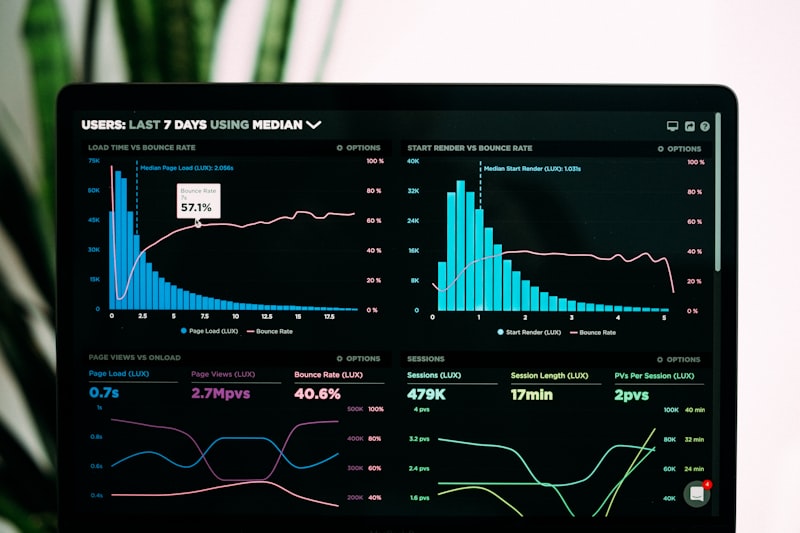
Description length should balance comprehensiveness with readability
Formatting for Scannability
Most viewers won't read your entire description, so formatting for scannability is crucial:
- Use bullet points or numbered lists for key information
- Include clear section headings using capital letters or emojis
- Break up long paragraphs into shorter, digestible chunks
- Use timestamps to help viewers navigate your video
- Incorporate relevant emojis to draw attention to important sections
Learn how to bake the perfect chocolate chip cookies with this step-by-step tutorial. We'll cover ingredient selection, mixing techniques, and baking tips for cookies that are crispy on the outside and chewy on the inside.
📋 INGREDIENTS LIST
• 2 1/4 cups all-purpose flour
• 1 teaspoon baking soda
• 1 cup unsalted butter, softened
• ...
⏱️ TIMESTAMPS
0:00 Introduction
0:45 Ingredient preparation
2:30 Mixing techniques
4:15 Baking tips
6:00 Final result
🔗 RESOURCES
Printable recipe: [Link]
Kitchen tools I use: [Link]
Understanding the anatomy of an effective YouTube description provides the foundation for creating descriptions that perform well in search results and engage your audience. In the next section, we'll dive deeper into keyword research strategies specifically for YouTube descriptions.
Keyword Research for YouTube Descriptions
Effective keyword research is the cornerstone of YouTube description optimization. Unlike traditional SEO, YouTube keyword research requires understanding both search volume and user intent specific to video content. This section will guide you through comprehensive keyword research strategies for YouTube.
Understanding YouTube Search Behavior
YouTube users search differently than they do on Google. Understanding these differences is crucial for effective keyword targeting:
- Question-Based Queries: Users often search with questions ("how to," "what is," "why does")
- Tutorial-Focused: Search queries frequently include "tutorial," "guide," or "step by step"
- Problem-Solution: Users search for solutions to specific problems ("fix slow computer," "remove stains")
- Entertainment-Focused: For non-educational content, searches are often mood or genre-based ("funny cat videos," "relaxing music")
YouTube-Specific Keyword Research Tools
Several tools can help you identify high-potential keywords for your YouTube descriptions:
| Tool | Key Features | Best For |
|---|---|---|
| YouTube Autocomplete | Free, shows popular related searches | Quick ideas, long-tail variations |
| YouTube Analytics | Shows what terms people use to find your videos | Understanding your current audience |
| Google Trends | Compares search volume across terms and regions | Seasonal trends, comparative analysis |
| TubeBuddy | Comprehensive YouTube SEO toolkit | In-depth keyword research, competitor analysis |
| vidIQ | Keyword scores, search volume estimates | Data-driven keyword selection |
| Ahrefs | Comprehensive SEO tool with YouTube data | Advanced competitive analysis |
Keyword Research Process
Follow this systematic process to identify the best keywords for your YouTube descriptions:
Step 1: Brainstorm Seed Keywords
Start with broad topics related to your video content. These seed keywords will form the foundation of your research.
• chocolate chip cookies
• baking tutorial
• cookie recipe
• homemade cookies
Step 2: Expand with YouTube Autocomplete
Use YouTube's search autocomplete to discover popular related queries. Type your seed keywords and note the suggestions.
• chocolate chip cookies recipe
• chocolate chip cookies soft
• chocolate chip cookies without brown sugar
• chocolate chip cookies crispy edges
• chocolate chip cookies levain bakery
Step 3: Analyze Competitor Keywords
Study the descriptions of top-ranking videos in your niche. Identify which keywords they're targeting and how they're incorporating them.
- Look for patterns in keyword usage
- Note which terms appear frequently
- Identify gaps where you can differentiate your content
Step 4: Evaluate Keyword Difficulty and Opportunity
Not all keywords are equally valuable. Assess each potential keyword based on:
- Search Volume: How many people are searching for this term
- Competition: How many other videos are targeting this keyword
- Relevance: How well the keyword matches your actual content
- Intent Alignment: Whether searchers for this term are likely to watch your entire video
Effective keyword research balances search volume, competition, and relevance
Creating a Keyword Strategy
Once you've identified potential keywords, develop a strategic approach to using them in your descriptions:
Primary vs. Secondary Keywords
- Primary Keyword: Your main focus—the core topic of your video. Include this in your title, description, and tags.
- Secondary Keywords: Related terms that support your primary keyword. Use these throughout your description to provide context.
Long-Tail Keywords
Long-tail keywords (specific, multi-word phrases) often have lower competition and higher conversion rates. Examples include:
- "how to make chocolate chip cookies without brown sugar"
- "best chocolate chip cookie recipe for crispy edges"
- "easy chocolate chip cookies for beginners"
Semantic Keywords
YouTube's algorithm understands semantic relationships between words. Include semantically related terms to help YouTube better understand your content:
• baking
• recipe
• dessert
• homemade
• easy
• from scratch
• ingredients
• oven temperature
• baking time
Keyword Placement Strategy
Where you place keywords in your description matters. Follow this strategic placement approach:
- First Sentence: Include your primary keyword naturally
- First Paragraph: Use primary and important secondary keywords
- Throughout Description: Sprinkle keywords naturally in context
- Timestamps: Include keywords in timestamp labels when relevant
- Links Section: Use keyword-rich anchor text for your links
Pro Tip: Don't sacrifice readability for keyword density. YouTube's algorithm is sophisticated enough to understand context, and user experience should always be your priority. Write naturally for humans first, then optimize for algorithms.
Mastering YouTube keyword research is an ongoing process. As you create more content and analyze performance, you'll develop a better understanding of which keywords work best for your specific niche and audience.
Writing Compelling Descriptions That Drive Clicks
Even with perfect keyword optimization, your YouTube description won't drive results if it doesn't engage viewers. This section covers the art and science of writing descriptions that convince people to click, watch, and engage with your content.
Crafting an Irresistible Hook
The first 150 characters of your description appear in search results and under your video. This is your prime real estate for capturing attention. Effective hooks typically:
- Address a specific problem or desire
- Promise a clear benefit or solution
- Create curiosity or intrigue
- Establish credibility or authority
Tutorial Content: "Learn the secret technique professional bakers use to create perfectly chewy chocolate chip cookies every time."
Entertainment Content: "You won't believe what happened when we tried to bake cookies using only kitchen gadgets from the 1800s."
Review Content: "After testing 15 different stand mixers, here's the one that dramatically improved my cookie baking results."
Psychological Triggers in Description Writing
Incorporate proven psychological principles to make your descriptions more compelling:
Scarcity and Urgency
Create a sense of limited availability or time sensitivity:
- "Limited time technique that professional bakers don't want you to know"
- "This cookie recipe will disappear from the internet soon"
Social Proof
Leverage the power of popularity and validation:
- "Join 50,000 bakers who have transformed their cookies with this method"
- "The cookie recipe that went viral on TikTok"
Authority and Expertise
Establish credibility to build trust:
- "Professional pastry chef reveals the 3 mistakes most home bakers make"
- "Based on 10 years of professional baking experience"
Curiosity Gap
Create intrigue that makes viewers want to learn more:
- "The one ingredient you're probably missing that makes all the difference"
- "Why your cookies keep turning out flat (and the simple fix)"
Structuring Your Description for Maximum Impact
A well-structured description guides the reader through your content and encourages specific actions:
The Problem-Solution Framework
This classic copywriting framework works exceptionally well for YouTube descriptions:
- Identify the Problem: Clearly state the issue your viewer is facing
- Agitate the Pain: Emphasize why this problem matters and how it affects them
- Present the Solution: Introduce your video as the answer to their problem
- Provide Proof: Offer evidence that your solution works
- Call to Action: Tell them exactly what to do next
Problem: "Tired of chocolate chip cookies that spread too thin and burn around the edges?"
Agitation: "Nothing's more disappointing than spending time baking only to end up with flat, crispy cookies instead of the thick, chewy ones you were hoping for."
Solution: "In this video, I'll show you the simple technique that prevents cookie spreading and gives you perfectly thick, chewy cookies every single time."
Proof: "This method has helped over 10,000 home bakers transform their cookie game, and it requires no special equipment or ingredients."
CTA: "Watch now to learn the secret and never deal with flat cookies again!"
Writing for Different Content Types
Your description approach should vary based on your content type:
Tutorials and How-To Videos
- Focus on the specific skill viewers will learn
- Highlight what makes your method unique or effective
- Include a clear list of what they'll accomplish
- Mention any prerequisites or required materials
Entertainment and Vlog Content
- Create intrigue and tease interesting moments
- Use storytelling elements to build narrative
- Highlight emotional or comedic elements
- Keep the tone conversational and engaging
Reviews and Product Demonstrations
- Clearly state what product you're reviewing
- Highlight your testing methodology or credentials
- Tease your final verdict or key findings
- Mention any special deals or discounts for viewers
Educational and Documentary Content
- Establish the importance or relevance of the topic
- Highlight key insights or surprising facts
- Mention experts or sources featured
- Explain why viewers should care about this topic

Tailor your description writing style to match your specific content type
Incorporating Effective Calls-to-Action
Your description should guide viewers toward specific actions. Effective CTAs:
- Subscribe: "If you enjoyed this video, please subscribe for more baking tips every Tuesday"
- Engage: "What's your favorite cookie variation? Let me know in the comments below!"
- Share: "Know someone who struggles with flat cookies? Share this video with them!"
- Watch Next: "Loved this recipe? Check out my brownie tutorial here: [link]"
- Visit Website: "Get the printable recipe and ingredient shopping list on my website: [link]"
Optimizing for Readability
Most viewers scan descriptions rather than reading them word-for-word. Improve readability with:
- Short Paragraphs: Break text into 2-3 sentence paragraphs
- Bulleted Lists: Use lists for key points, ingredients, or resources
- Clear Section Headers: Use emojis or capital letters to distinguish sections
- Strategic Bold Text: Highlight important information but use sparingly
- Appropriate Emoji Use: Use relevant emojis to draw attention but don't overdo it
Mastering the art of compelling description writing takes practice, but the payoff is significant. Well-written descriptions not only improve your search rankings but also convert more viewers into engaged subscribers.
Advanced YouTube Description Optimization
Once you've mastered the basics of YouTube description writing, it's time to explore advanced optimization techniques that can give you a competitive edge. These strategies leverage YouTube's algorithm nuances and user behavior patterns to maximize your video's performance.
Structured Data and Rich Snippets
YouTube can display rich snippets in search results when your description includes structured information. While you can't directly control rich snippets, you can optimize your descriptions to increase the likelihood:
- FAQ Format: Structure common questions and answers in your description
- Step-by-Step Instructions: Clearly number steps in tutorials
- Recipe Markup: Use clear ingredient lists and instructions for cooking content
- Event Information: Include dates, times, and locations for event coverage
Q: How long do these cookies take to bake?
A: Approximately 10-12 minutes at 350°F (175°C)
Q: Can I make these cookies without a stand mixer?
A: Yes! I'll show you how to mix them by hand with equally good results.
Q: How should I store these cookies?
A: In an airtight container at room temperature for up to 5 days.
Timestamp Optimization
Timestamps serve multiple purposes beyond simple navigation:
- SEO Value: YouTube may display timestamps in search results, increasing CTR
- Watch Time: Help viewers find relevant sections, reducing early drop-offs
- Keyword Placement: Include keywords in timestamp labels when relevant
- Content Preview: Give viewers a sense of your video's structure and value
Best practices for timestamps:
- Use the format 0:00 Introduction (not 0:00 - Introduction)
- Place timestamps in chronological order
- Include 5-10 timestamps for longer videos
- Make timestamp labels descriptive and keyword-rich when appropriate
- Place timestamps in a dedicated section of your description
Link Strategy and Optimization
Your description links can drive significant traffic and provide additional context:
Strategic Link Placement
- First Link: Place your most important link early in the description
- Relevant Anchor Text: Use descriptive, keyword-rich anchor text
- Link Grouping: Cluster related links in dedicated sections
- Social Proof: Include links to related popular content
Types of Links to Include
- Related Videos: Drive watch time by linking to relevant content
- Playlists: Encourage binge-watching with curated playlists
- Website/Blog: Drive traffic to your owned properties
- Social Media: Build your community across platforms
- Affiliate Links: Generate revenue from product recommendations
- Resource Pages: Provide additional value to viewers
Important: Always disclose affiliate relationships clearly in your description. YouTube and regulatory bodies require transparency about paid promotions and affiliate links.
Multilingual and Accessibility Optimization
Expand your reach by optimizing for international audiences and accessibility:
Multilingual Considerations
- Translation: Consider providing translated descriptions for key international markets
- Cultural Context: Adapt examples and references for different regions
- International Keywords: Research keywords in different languages for global content
Accessibility Features
- Clear Language: Use simple, direct language that's easy to understand
- Descriptive Links: Use meaningful anchor text instead of "click here"
- Structure: Use clear headings and lists to aid comprehension
- Closed Captions: Mention if your video includes accurate closed captions
Algorithm-Specific Optimization Techniques
YouTube's algorithm considers hundreds of factors. These description strategies can positively influence key metrics:
Watch Time Optimization
- Use timestamps to help viewers find relevant content quickly
- Tease interesting moments that occur later in the video
- Mention video length to set appropriate expectations
- Highlight the value viewers will get from watching the entire video
Session Time Optimization
- Link to related videos and playlists to keep viewers on YouTube
- Create "what to watch next" sections in your descriptions
- Mention upcoming content to build anticipation
- Use end screens and cards strategically in conjunction with description links
Engagement Optimization
- Include specific questions to encourage comments
- Create polls or surveys in the description (with links)
- Ask viewers to like the video if they found it helpful
- Encourage sharing with specific audiences
Advanced optimization considers multiple algorithm factors beyond basic keywords
A/B Testing and Performance Analysis
Continuously improve your descriptions through testing and analysis:
What to Test
- Hook Variations: Test different opening sentences to improve CTR
- Description Length: Experiment with shorter vs. longer descriptions
- CTA Placement: Test different positions for subscription asks
- Keyword Density: Experiment with different keyword concentrations
- Formatting Styles: Test different section structures and emoji usage
How to Measure Success
- Impressions Click-Through Rate: Measures how effective your title/description combo is at generating clicks
- Average View Duration: Indicates whether your description accurately sets expectations
- Traffic Sources: Shows which search terms are driving views to your video
- End Screen Click Rate: Measures how effectively your description supports your end screen strategy
Advanced YouTube description optimization requires ongoing testing and adaptation. What works for one channel or content type may not work for another. The key is to develop a systematic approach to testing and refinement based on your specific goals and audience.
YouTube Description Templates for Different Content Types
Creating effective YouTube descriptions from scratch can be time-consuming. These templates provide a solid foundation that you can adapt for your specific content. Each template includes placeholders for your custom information and explanations of why each section works.
Tutorial/How-To Video Template
Learn how to [primary action] with this step-by-step tutorial. In this video, I'll show you [specific benefit 1], [specific benefit 2], and [specific benefit 3].
[Detailed paragraph explaining what viewers will learn and why your method is effective. Include 2-3 sentences that provide additional context and incorporate secondary keywords naturally.]
📋 WHAT YOU'LL NEED
• [Item 1]
• [Item 2]
• [Item 3]
⏱️ TIMESTAMPS
0:00 Introduction
0:45 [Step 1 description]
2:30 [Step 2 description]
4:15 [Step 3 description]
6:00 [Step 4 description]
8:20 Final result and tips
🔗 RESOURCES
[Resource 1 with link]
[Resource 2 with link]
[Resource 3 with link]
📚 RELATED VIDEOS
[Related video 1 with link]
[Related video 2 with link]
[Related video 3 with link]
💬 CONNECT WITH ME
Website: [Your website]
Instagram: [Your Instagram]
Twitter: [Your Twitter]
If you found this tutorial helpful, please give it a thumbs up and subscribe for more [content type] videos every [frequency]!
#relevanthashtag1 #relevanthashtag2 #relevanthashtag3
Why This Template Works
- Clear Value Proposition: Immediately explains what viewers will learn
- Structured Information: Easy to scan with clear sections
- Comprehensive Resources: Provides additional value beyond the video
- Multiple CTAs: Encourages engagement across different actions
Product Review Template
In this honest review, I test [product name] to see if it lives up to the hype. After [testing period/timeframe], here's my unbiased verdict on whether [product name] is worth your money.
[2-3 paragraph detailed review covering key features, performance, pros, and cons. Be specific about your testing methodology and experience.]
✅ PROS
• [Pro 1]
• [Pro 2]
• [Pro 3]
❌ CONS
• [Con 1]
• [Con 2]
• [Con 3]
⏱️ TIMESTAMPS
0:00 Introduction
1:15 Unboxing
3:30 Key features
6:45 Performance testing
10:20 Pros and cons
12:30 Final verdict
🛒 WHERE TO BUY
[Retailer 1 with affiliate link]*
[Retailer 2 with affiliate link]*
*These are affiliate links that support the channel at no extra cost to you.
🤔 QUESTIONS?
Have a question about [product name]? Ask in the comments below and I'll do my best to help!
If this review was helpful, please like and subscribe for more honest product reviews.
#productreview #[productname] #[productcategory]
Vlog/Personal Content Template
Join me for [activity/event description] in today's vlog! In this video, we're [brief summary of main activities] and [something interesting/surprising that happens].
[2-3 paragraph engaging description that tells a mini-story about what happens in the vlog. Focus on emotional moments, funny incidents, or interesting experiences rather than just listing events.]
🌟 HIGHLIGHTS
• [Highlight 1 - timestamp if possible]
• [Highlight 2 - timestamp if possible]
• [Highlight 3 - timestamp if possible]
📸 BEHIND THE SCENES
See more photos from [activity/event] on my Instagram: [Instagram link]
💌 STAY CONNECTED
Subscribe: [Channel subscription link]
Instagram: [Your Instagram]
Twitter: [Your Twitter]
Website: [Your website]
What was your favorite moment from this vlog? Let me know in the comments!
Thanks for watching! Don't forget to like this video if you enjoyed it.
#vlog #[yourname] #[activity]
Educational/Explainer Video Template
What is [topic] and why does it matter? In this comprehensive guide, we break down [topic] in simple terms, covering [key aspect 1], [key aspect 2], and [key aspect 3].
[2-3 paragraph detailed explanation of why the topic is important and what viewers will learn. Include interesting facts or statistics to establish credibility.]
📖 CHAPTERS
0:00 Introduction to [topic]
1:30 [Key concept 1]
4:15 [Key concept 2]
7:20 [Key concept 3]
10:45 [Key concept 4]
13:30 Summary and key takeaways
🔍 GO DEEPER
[Additional resource 1 with link]
[Additional resource 2 with link]
[Additional resource 3 with link]
📚 SOURCES
[Source 1]
[Source 2]
[Source 3]
💡 RELATED CONTENT
[Related educational video 1 with link]
[Related educational video 2 with link]
Was this explanation helpful? Let me know what topic I should cover next in the comments!
Subscribe for more educational content that makes complex topics simple.
#[topic] #education #explainer
Entertainment/Comedy Template
You won't believe what happened when we [premise of video]! In this video, we [brief summary of antics] and things quickly get out of hand.
[1-2 paragraph entertaining description that teases the funniest or most surprising moments without giving everything away. Use humor and personality in your writing.]
😂 BEST MOMENTS
[Timestamp] - [Funny moment 1]
[Timestamp] - [Funny moment 2]
[Timestamp] - [Funny moment 3]
🎬 BEHIND THE LAUGHS
Bloopers and extra content on our Instagram: [Instagram link]
📱 FOLLOW THE FUN
TikTok: [Your TikTok]
Instagram: [Your Instagram]
Twitter: [Your Twitter]
What was the funniest part? Rate this video on a scale of 1-10 in the comments!
Like this video? Subscribe and hit the bell so you don't miss our next upload!
#comedy #funny #entertainment
Template Adaptation Tip: While these templates provide excellent starting points, always customize them to match your unique voice and content style. The most effective descriptions feel authentic to your brand while following proven structural principles.
These templates cover the most common YouTube content types, but feel free to mix and match sections to create a description structure that works best for your specific niche and audience.
Essential Tools for YouTube Description SEO
The right tools can significantly streamline your YouTube description optimization process. This section covers both free and paid tools that help with keyword research, competitor analysis, performance tracking, and description writing.
Keyword Research Tools
| Tool | Price | Key Features | Best For |
|---|---|---|---|
| TubeBuddy | Free - $49/month | Keyword explorer, tag suggestions, SEO studio | Comprehensive YouTube SEO |
| vidIQ | Free - $99/month | Keyword scores, competitor analysis, daily ideas | Data-driven content strategy |
| Google Keyword Planner | Free | Search volume, competition, trend data | Broad keyword research |
| AnswerThePublic | Free - $99/month | Question-based keyword ideas, visualizations | Content ideas and FAQ targeting |
| YouTube Autocomplete | Free | Real-time search suggestions | Quick long-tail keyword ideas |
Competitor Analysis Tools
| Tool | Price | Key Features | Best For |
|---|---|---|---|
| Social Blade | Free - $10/month | Channel statistics, estimated earnings, ranking | Quick competitor overview |
| NoxInfluencer | Free | Channel analysis, video performance, hashtag tracking | In-depth competitor research |
| Playboard | Free | Channel comparisons, super chat analysis | Monetization-focused analysis |
Writing and Optimization Tools
| Tool | Price | Key Features | Best For |
|---|---|---|---|
| Grammarly | Free - $30/month | Grammar checking, tone suggestions, clarity improvements | Polishing description writing |
| Hemingway Editor | Free - $19.99 | Readability scoring, sentence simplification | Improving description clarity |
| CoSchedule Headline Analyzer | Free | Headline quality scoring, emotional analysis | Optimizing description hooks |
| Emoji Keyboard | Free | Easy emoji access, categorization | Adding visual elements to descriptions |
Performance Tracking Tools
| Tool | Price | Key Features | Best For |
|---|---|---|---|
| YouTube Analytics | Free | Traffic sources, audience retention, engagement metrics | Official performance data |
| Google Analytics | Free | Website traffic from YouTube, user behavior | Tracking off-YouTube conversions |
| Morningfame | $15/month | SEO scoring, opportunity finder, performance trends | Advanced performance insights |
Free Tool Stack for Beginners
If you're just starting out or working with a limited budget, this free tool stack covers all the essentials:
- Keyword Research: YouTube Autocomplete + Google Keyword Planner
- Competitor Analysis: Social Blade + NoxInfluencer
- Writing Assistance: Grammarly Free + Hemingway Editor
- Performance Tracking: YouTube Analytics + Google Analytics
- Productivity: Google Sheets/Excel for keyword tracking and template management
The right tool stack can significantly streamline your YouTube optimization workflow
Building Your Custom Tool Kit
As you grow your channel, consider developing a custom tool kit based on your specific needs:
For Content Creators Focused on Growth
- TubeBuddy or vidIQ for comprehensive SEO
- Canva for thumbnail creation
- Trello or Asana for content planning
- Google Trends for content timing
For Educational Content Creators
- AnswerThePublic for question-based content
- Google Scholar for source verification
- Otter.ai for transcript generation
- Notion for research organization
For Entertainment Creators
- Social Blade for competitor tracking
- BuzzSumo for viral content analysis
- Headline Analyzer for clickable titles
- Instagram/TikTok for cross-promotion ideas
Tool Strategy: Don't get overwhelmed by trying to use every available tool. Start with 2-3 core tools that address your biggest challenges, then gradually expand your toolkit as your needs evolve and your budget allows.
The right tools can save you time, provide valuable insights, and help you make data-driven decisions about your YouTube description strategy. However, remember that tools are supplements to—not replacements for—strategic thinking and quality content creation.
Common YouTube Description Mistakes to Avoid
Even experienced creators can make description mistakes that hurt their video performance. Being aware of these common errors can help you avoid them and optimize your descriptions more effectively.
SEO and Technical Mistakes
Keyword Stuffing
The Mistake: Overusing keywords to the point where the description sounds unnatural or spammy.
Why It's a Problem: YouTube's algorithm can penalize keyword-stuffed descriptions, and human readers will find them off-putting.
How to Fix It:
- Aim for 1-2% keyword density (1-2 keywords per 100 words)
- Focus on natural language that incorporates keywords contextually
- Use synonyms and related terms instead of repeating the same keyword
- Read your description aloud to check for natural flow
Keyword Stuffing: "This chocolate chip cookies recipe is the best chocolate chip cookies recipe for perfect chocolate chip cookies. Learn how to make chocolate chip cookies with this chocolate chip cookies tutorial."
Natural Usage: "Learn how to make perfect chocolate chip cookies with this easy-to-follow recipe. We'll cover ingredient selection, mixing techniques, and baking tips for cookies that are crispy on the outside and chewy on the inside."
Ignoring the First 150 Characters
The Mistake: Wasting the valuable first 150 characters with generic text or irrelevant information.
Why It's a Problem: This portion appears in search results and helps determine click-through rates.
How to Fix It:
- Always include your primary keyword in the first sentence
- Write a compelling hook that encourages clicks
- Avoid generic phrases like "Check out this video"
- Test different hooks to see what generates the highest CTR
Copy-Pasting the Same Description
The Mistake: Using identical or nearly identical descriptions across multiple videos.
Why It's a Problem: YouTube may see this as low-quality or duplicate content, and it fails to provide unique context for each video.
How to Fix It:
- Create unique descriptions for every video
- Use templates as starting points but customize extensively
- Include video-specific details, timestamps, and resources
- Update descriptions if you reuse content in compilations
Content and Formatting Mistakes
Wall of Text
The Mistake: Writing long, unbroken paragraphs without formatting or structure.
Why It's a Problem: Most viewers won't read dense blocks of text, causing them to miss important information.
How to Fix It:
- Break text into short paragraphs (2-3 sentences)
- Use bullet points and numbered lists
- Include clear section headers with emojis or capital letters
- Place the most important information first
Overusing Emojis
The Mistake: Adding excessive or irrelevant emojis that distract from the content.
Why It's a Problem: Too many emojis can make your description look unprofessional and spammy.
How to Fix It:
- Use emojis sparingly to highlight key sections
- Choose relevant emojis that match your content
- Avoid using multiple emojis in a row
- Test whether emojis improve or hurt your CTR

Avoiding common mistakes can significantly improve your description effectiveness
Missing or Poor Timestamps
The Mistake: Not including timestamps or using unhelpful timestamp labels.
Why It's a Problem: Timestamps improve user experience and can appear in search results, increasing CTR.
How to Fix It:
- Always include timestamps for videos longer than 5 minutes
- Use descriptive labels (e.g., "3:45 Mixing Techniques" not "3:45 Part 2")
- Place timestamps in chronological order
- Include 5-10 timestamps for longer videos
Strategic Mistakes
No Clear Call-to-Action
The Mistake: Failing to tell viewers what action to take after watching your video.
Why It's a Problem: Without clear CTAs, you miss opportunities to grow your audience and increase engagement.
How to Fix It:
- Include at least one CTA in every description
- Vary your CTAs (subscribe, comment, like, share, visit website)
- Make CTAs specific and actionable
- Place CTAs strategically throughout your description
Ignoring Mobile Users
The Mistake: Writing descriptions without considering how they'll appear on mobile devices.
Why It's a Problem: Over 70% of YouTube watch time happens on mobile devices.
How to Fix It:
- Keep the first 150 characters compelling for mobile search results
- Use shorter paragraphs that are easy to read on small screens
- Place important links and information before the "Show more" cutoff
- Test your descriptions on mobile devices
Not Updating Old Descriptions
The Mistake: Leaving outdated descriptions on older videos that still generate traffic.
Why It's a Problem: Old descriptions may contain outdated information, broken links, or suboptimal SEO.
How to Fix It:
- Regularly audit your top-performing videos
- Update descriptions with new keywords and information
- Fix broken links and add new relevant resources
- Add timestamps to older videos that lack them
Legal and Compliance Mistakes
Missing Disclosures
The Mistake: Failing to disclose affiliate relationships, sponsorships, or paid promotions.
Why It's a Problem: Violates FTC guidelines and YouTube's policies, potentially leading to penalties or demonetization.
How to Fix It:
- Always clearly disclose affiliate relationships and sponsorships
- Place disclosures where they're easily visible (not hidden after "Show more")
- Use clear language like "This video contains affiliate links"
- Include disclosures in both the video and description
Copyright Violations
The Mistake: Using copyrighted material in descriptions without permission.
Why It's a Problem: Can lead to copyright strikes, demonetization, or channel termination.
How to Fix It:
- Only use original content or properly licensed material
- Provide proper attribution for any referenced content
- Avoid reproducing large portions of others' work
- When in doubt, seek permission or use original content
Avoidance Strategy: The best way to avoid description mistakes is to develop a checklist that you review before publishing every video. Include items like keyword placement, formatting, CTAs, timestamps, and legal compliance.
By being aware of these common mistakes and implementing the suggested fixes, you can significantly improve the effectiveness of your YouTube descriptions and avoid pitfalls that hurt your video performance.
Case Studies: Successful YouTube Descriptions
Real-world examples provide the best learning opportunities. These case studies examine successful YouTube descriptions across different niches and analyze what makes them effective.
Case Study 1: Educational Channel - "Science Explained"
Background
"Science Explained" is a channel that breaks down complex scientific concepts for general audiences. The creator noticed that despite high-quality content, their videos weren't ranking well in search results.
The Problem
- Low search visibility for relevant scientific terms
- High bounce rates despite quality content
- Minimal description usage (1-2 sentences typically)
- No structured information for viewers or algorithm
The Solution
The creator implemented a comprehensive description optimization strategy:
- Researched question-based keywords using AnswerThePublic
- Developed a structured description template with clear sections
- Added detailed timestamps with descriptive labels
- Included FAQ sections based on common viewer questions
- Added links to related videos and external resources
The Results
After optimizing descriptions across their video library:
- Search impressions increased by 240% within 3 months
- Average view duration improved from 45% to 68%
- Click-through rate from search increased from 4.2% to 8.7%
- Subscriber growth rate doubled
- Several videos started ranking on Google search results
Key Takeaways
- Structured descriptions significantly improve educational content
- FAQ sections address common viewer questions and improve SEO
- Timestamps help viewers navigate complex content, improving retention
- Question-based keywords perform well for educational content

Educational channels benefit significantly from detailed, structured descriptions
Case Study 2: Cooking Channel - "Easy Home Cooking"
Background
"Easy Home Cooking" focused on simple, approachable recipes for home cooks. Despite having appealing thumbnails and good video quality, their recipes weren't appearing in search results for common cooking terms.
The Problem
- Recipes not ranking for ingredient-based searches
- High production quality but low discovery
- Minimal description content beyond basic recipe instructions
- No structured data for recipe-rich snippets
The Solution
The channel implemented recipe-specific description optimization:
- Researched ingredient-based and technique-based keywords
- Created a recipe template with clear ingredient lists and instructions
- Added cooking tips and variations sections
- Included FAQ sections addressing common cooking questions
- Optimized for voice search with question-based content
The Results
After the description overhaul:
- Recipe videos started appearing in Google search results with rich snippets
- Watch time increased by 35% as viewers used timestamps to jump to specific steps
- Comments and engagement increased significantly
- Several videos became top results for specific ingredient searches
- Affiliate revenue from kitchen tools increased by 200%
Key Takeaways
- Recipe content benefits greatly from structured descriptions
- Ingredient-based keywords drive highly targeted traffic
- Clear instructions and timestamps improve user experience
- FAQ sections address common cooking questions and improve SEO
Case Study 3: Tech Review Channel - "Gadget Guide"
Background
"Gadget Guide" provided honest tech product reviews but struggled to compete with larger channels in search results. Their descriptions were minimal and didn't capitalize on their thorough testing methodology.
The Problem
- Low visibility in competitive tech review space
- Detailed testing not reflected in descriptions
- Missing opportunities for comparison-based keywords
- No clear differentiation from competitors in descriptions
The Solution
The channel revamped their description strategy to highlight their unique value:
- Researched comparison-based keywords (Product A vs Product B)
- Created detailed pros/cons sections based on testing
- Added specific testing methodology descriptions
- Included comparison timestamps for viewers interested in specific aspects
- Optimized for question-based searches about product limitations
The Results
After implementing the new description approach:
- Click-through rate increased from 5.1% to 9.8%
- Viewer retention improved as descriptions better set expectations
- Several videos became top results for specific product comparison searches
- Affiliate revenue increased by 150% due to more targeted traffic
- Channel authority increased as they became known for detailed, honest reviews
Key Takeaways
- Tech reviews benefit from detailed pros/cons sections
- Comparison-based keywords attract highly motivated viewers
- Transparent testing methodology builds trust and authority
- Specific timestamps help viewers find the information most relevant to them
Case Study 4: Fitness Channel - "Home Workout Solutions"
Background
"Home Workout Solutions" created exercise videos for people working out at home. Despite quality content, they struggled to reach beyond their existing audience and rank for popular fitness terms.
The Problem
- High competition in fitness niche
- Generic descriptions that didn't highlight specific benefits
- Missing equipment-free and time-based keywords
- No clear structure for workout instructions
The Solution
The channel implemented a fitness-specific description strategy:
- Researched equipment-free and time-specific workout keywords
- Created clear workout structure sections with timestamps
- Added specific benefit-focused descriptions (e.g., "15-minute core workout")
- Included modifications for different fitness levels
- Optimized for voice search with natural language queries
The Results
After optimizing their descriptions:
- Search visibility for time-based workouts (e.g., "10-minute abs") increased significantly
- Viewer retention improved as descriptions better set expectations
- Comments asking for modifications decreased as information was included in descriptions
- Several videos became top results for specific time-based workout searches
- Subscription rate increased by 65%
Key Takeaways
- Fitness content benefits from time-based and equipment-based keywords
- Clear workout structure in descriptions improves user experience
- Including modifications addresses common viewer questions proactively
- Benefit-focused language attracts motivated viewers
Cross-Industry Insight: Across all these case studies, the common success factors were structured descriptions, keyword research specific to the niche, improved user experience through timestamps and clear sections, and highlighting unique value propositions that differentiated the content from competitors.
These case studies demonstrate that regardless of your niche, optimizing your YouTube descriptions can significantly impact your channel's performance. The key is to understand your specific audience's search behavior and information needs, then structure your descriptions to meet those needs while incorporating relevant keywords.
Frequently Asked Questions (FAQs)
YouTube descriptions can be up to 5,000 characters, but the optimal length depends on your content type and goals. For most videos, aim for 500-1,000 words (approximately 2,500-5,000 characters). This provides enough content for SEO while remaining readable. The first 150 characters are most important as they appear in search results. Focus on making these characters compelling and keyword-rich, then use the remaining space to provide additional value through detailed explanations, timestamps, resources, and calls-to-action.
Aim for a keyword density of 1-2%, which means 1-2 keywords per 100 words. Focus on your primary keyword (include it in the first sentence and 2-3 times throughout) and 3-5 secondary keywords that are semantically related. Avoid keyword stuffing—your description should read naturally for humans while incorporating keywords strategically for SEO. Use variations and related terms rather than repeating the exact same phrase multiple times. Remember that YouTube's algorithm understands context, so natural language with relevant terms will perform better than forced keyword insertion.
Yes, including relevant links in your YouTube description can provide additional value to viewers and drive traffic to your other content. Useful links to include are: your website or blog, related videos or playlists, social media profiles, affiliate products (with proper disclosure), resources mentioned in the video, and subscription links. Place your most important links early in the description (before the "Show more" cutoff on mobile). Use descriptive, keyword-rich anchor text for your links rather than generic phrases like "click here." Always disclose affiliate relationships clearly.
YouTube hashtags can provide a minor SEO benefit by helping categorize your content, but they're not as powerful as well-optimized titles and descriptions. You can add up to 15 hashtags, but 3-5 relevant ones are usually sufficient. Place hashtags at the end of your description rather than the beginning. Choose specific, relevant hashtags rather than generic ones with high competition. Research what hashtags successful channels in your niche are using. Remember that hashtags appear above your video title, so choose ones that accurately represent your content and might attract your target audience.
Regularly updating your YouTube descriptions can improve performance, especially for older videos that still generate traffic. Consider updating descriptions when: you discover new relevant keywords, information in the video becomes outdated, you want to add timestamps to older videos, you have new related content to link to, or your CTAs need refreshing. A good practice is to audit your top 20-30 performing videos every 3-6 months and update their descriptions with current best practices. Even small updates can sometimes trigger the algorithm to re-evaluate your video for relevant searches.
If you have a significant international audience, creating multilingual descriptions can help you reach viewers in different regions. However, instead of writing the entire description in multiple languages, focus on: providing translated titles and descriptions for your most popular videos, researching keywords in different languages for global content, using YouTube's translation feature to allow community contributions, and creating separate videos with native speakers for major international markets. For most creators, focusing on one primary language with excellent SEO is more effective than spreading efforts across multiple languages with mediocre optimization in each.
Emojis don't directly impact SEO, but they can affect click-through rates and readability. When used strategically, emojis can: make your description more scannable by breaking up text, draw attention to important sections like timestamps or resources, convey tone and personality, and improve visual appeal. However, overusing emojis can make your description look spammy and unprofessional. Use 3-5 relevant emojis maximum, place them strategically to highlight key sections, avoid using multiple emojis in a row, and test whether emojis improve your CTR. The impact varies by niche—what works for entertainment content might not work for educational or corporate content.
Timestamps are very important for both user experience and SEO. They: help viewers navigate to relevant sections, improving watch time; can appear in search results, increasing CTR; provide additional context to YouTube's algorithm about your video content; and make your content more accessible. For videos longer than 5 minutes, always include 5-10 descriptive timestamps. Use the format "0:00 Introduction" (not "0:00 - Introduction"). Place timestamps in chronological order in a dedicated section of your description. Include keywords in timestamp labels when relevant (e.g., "3:45 Chocolate Chip Cookie Baking Tips").
While including a full transcript in your description can provide SEO benefits, it's usually not practical due to length limitations (5,000 characters maximum). Instead, use YouTube's built-in transcript feature: upload a transcript file or use automatic captioning, then edit for accuracy. This provides the SEO benefits of transcript content without clogging your description. If you want to include some textual content, focus on a detailed summary with key points, quotes, or important information. For accessibility, always ensure your videos have accurate captions, whether through YouTube's automatic system or by uploading your own.
Track your YouTube description performance through YouTube Analytics: monitor Impressions Click-Through Rate to see how effective your title/description combo is; check Traffic Sources to see which search terms are driving views; analyze Audience Retention to see if descriptions accurately set expectations; track End Screen Click Rate to measure how descriptions support your end screen strategy. For more advanced tracking, use tools like TubeBuddy or vidIQ that provide SEO scores and specific recommendations. A/B test different description elements by changing them on similar videos and comparing performance metrics. Keep a record of what works best for your specific content and audience.
Ready to Transform Your YouTube Descriptions?
Start implementing these strategies today and watch your YouTube visibility and engagement soar. Remember, optimized descriptions aren't just about algorithms—they're about connecting with your audience and providing value beyond the video itself.
Explore More SEO Tools and ResourcesConclusion: Mastering YouTube Description SEO
Throughout this comprehensive guide, we've explored the art and science of creating YouTube descriptions that rank in search. From understanding why descriptions matter to implementing advanced optimization techniques, we've covered everything you need to transform this often-overlooked element into a powerful growth tool for your channel.
The key insight is clear: YouTube descriptions are not mere supplementary information—they're critical SEO assets that significantly impact your video's visibility, click-through rates, and overall performance. When optimized effectively, descriptions help YouTube's algorithm understand your content, match it with relevant search queries, and recommend it to interested viewers.
As we've seen through numerous examples and case studies, the most successful YouTube descriptions share several characteristics:
- Strategic Keyword Usage: They incorporate relevant keywords naturally while maintaining readability
- Compelling Hooks: The first 150 characters grab attention and encourage clicks
- Structured Information: They're organized with clear sections, timestamps, and resources
- User-Focused Content: They address viewer needs and questions proactively
- Clear Calls-to-Action: They guide viewers toward desired actions like subscribing or visiting websites
Remember that YouTube description optimization is an ongoing process, not a one-time task. As you create new content and analyze performance, you'll develop a deeper understanding of what works best for your specific audience and niche. The most successful creators continuously test, refine, and adapt their description strategies based on data and audience feedback.
As you move forward with implementing these strategies, keep these final principles in mind:
- Quality Over Quantity: A well-crafted 500-word description will outperform a generic 5,000-word one
- Consistency Matters: Develop a description template that works for your content and use it consistently
- User Experience First: Always prioritize helping your viewers over optimizing for algorithms
- Continuous Learning: Stay updated with YouTube's evolving algorithm and best practices
- Data-Driven Decisions: Let performance metrics guide your optimization efforts
Final Thought: The most powerful YouTube descriptions don't just describe your video—they extend its value, build community, and create pathways for deeper engagement. By mastering description SEO, you're not just improving search rankings; you're enhancing the entire viewer experience and building a stronger connection with your audience.
Whether you're just starting your YouTube journey or looking to optimize an established channel, the strategies outlined in this guide will help you create descriptions that drive results. Remember that success on YouTube requires a holistic approach where thumbnails, titles, content quality, and descriptions work together to create compelling, discoverable content.
Now it's time to put these insights into action. Start by auditing your existing descriptions, implementing the templates and strategies that fit your content, and tracking the results. With consistent effort and strategic optimization, you'll soon see your YouTube descriptions becoming powerful assets that drive growth and engagement for your channel.
Developed by Mian Parvaiz