Introduction: The Power of YouTube Chapters
In the highly competitive landscape of YouTube content creation, every advantage counts. While creators focus on thumbnails, titles, and descriptions, one powerful feature often gets overlooked: YouTube Chapters. These simple timestamp markers in your video description can transform how viewers interact with your content and significantly impact your channel's performance.
As we move through 2025, YouTube Chapters have evolved from a nice-to-have feature to an essential component of video optimization. With attention spans shrinking and content consumption becoming more targeted, chapters provide a navigation system that keeps viewers engaged longer and helps them find exactly what they're looking for.
This comprehensive guide will explore everything you need to know about YouTube Chapters. We'll dive into the technical implementation, the SEO benefits, the impact on viewer experience, and advanced strategies that top creators use to maximize their results. Whether you're a seasoned YouTuber or just starting your channel, this guide will show you how to leverage chapters to boost watch time, improve SEO, and create a better experience for your audience.
Key Insight: Videos with properly implemented chapters experience an average 15-25% increase in watch time compared to similar videos without chapters. This directly impacts YouTube's algorithm, leading to better recommendations and increased visibility.
By the end of this guide, you'll understand not just how to implement YouTube Chapters, but why they're so effective and how to use them strategically to grow your channel. Let's dive into the world of YouTube Chapters and unlock their full potential for your content.
What Are YouTube Chapters and How Do They Work?
YouTube Chapters are timestamp markers that creators add to their video descriptions to break content into logical segments. When implemented correctly, these timestamps create a clickable navigation bar that appears on the video progress bar, allowing viewers to jump directly to specific sections of the video.
How YouTube Chapters Work
The implementation of YouTube Chapters is surprisingly simple. To add chapters to your video, you need to include a list of timestamps in your video description following this format:
0:00 Introduction
2:15 Main Topic 1
5:30 Main Topic 2
8:45 Demonstration
12:20 Conclusion
YouTube automatically detects this pattern and creates the chapter navigation interface. The first timestamp must start at 0:00, and subsequent timestamps should be in chronological order. Each chapter should have a descriptive title that gives viewers a clear idea of what to expect in that segment.

YouTube Chapters appear as clickable segments on the video progress bar
The Technical Requirements
For YouTube Chapters to work properly, you need to follow specific formatting rules:
- First timestamp must be 0:00: This establishes the starting point for the chapter system.
- Timestamps must be in chronological order: Each subsequent timestamp should be later than the previous one.
- Minimum chapter duration: Each chapter must be at least 10 seconds long.
- Proper formatting: Timestamps should use the format MM:SS or HH:MM:SS for longer videos.
- Clear chapter titles: Each timestamp should be followed by a descriptive title.
Where Chapters Appear
Once implemented, YouTube Chapters appear in several key locations:
- Video Progress Bar: The most visible location, where chapters appear as colored segments.
- Video Description: The timestamps remain in your description as clickable links.
- Search Results: In some cases, chapters may appear in YouTube search results, giving users a preview of your video's structure.
- Mobile Apps: Chapters work across all YouTube platforms, including mobile apps.
Understanding the basics of how YouTube Chapters work is the first step toward leveraging their power. In the following sections, we'll explore why they're so effective and how to implement them strategically for maximum benefit.
The SEO Benefits of Using YouTube Chapters
While YouTube Chapters primarily serve as a navigation tool for viewers, they also provide significant SEO advantages that can boost your video's visibility and ranking. Understanding these benefits is crucial for maximizing your content's potential.
Enhanced Keyword Optimization
YouTube Chapters create additional opportunities to include relevant keywords in your video's metadata. Each chapter title acts as a mini-title for that segment, allowing you to target specific search queries that might not fit naturally in your main video title.
For example, if your video is titled "Complete Guide to Digital Photography," your chapters might include:
- 0:00 Introduction to Digital Photography
- 2:15 Choosing the Right Camera
- 5:30 Understanding Camera Settings
- 8:45 Composition Techniques
- 12:20 Post-Processing Tips
This approach allows you to target specific long-tail keywords like "choosing the right camera for photography" or "camera settings for beginners" that might have lower competition but higher intent.
Improved User Engagement Metrics
YouTube's algorithm heavily weights user engagement metrics when determining video rankings. Chapters directly impact several key metrics:
- Watch Time: By helping viewers find relevant content quickly, chapters reduce early drop-offs and increase overall watch time.
- Session Duration: When viewers can easily navigate to the content they want, they're more likely to watch multiple videos in a session.
- Click-Through Rate: In some cases, chapters may appear in search results, making your video more appealing and increasing CTR.
- User Satisfaction: Positive viewing experiences lead to higher retention and more positive engagement signals.
Impact of Chapters on Key YouTube Metrics
Rich Snippets in Search Results
YouTube Chapters can sometimes trigger rich snippets in Google search results. When users search for specific information, Google may display chapter markers directly in the search results, making your video more prominent and increasing click-through rates.
For example, a search for "how to tie a tie" might show a video with chapters like "Four-in-Hand Knot," "Windsor Knot," and "Half-Windsor Knot" directly in the search results, allowing users to jump straight to the specific technique they want to learn.
Internal Linking Opportunities
Chapters create natural internal linking opportunities within your YouTube channel. When viewers are interested in a specific topic covered in one chapter, you can include links to related videos in your end screens or cards, creating a content network that keeps viewers engaged with your channel.
Pro Tip: Use descriptive, keyword-rich chapter titles that accurately reflect the content. This not only helps viewers but also gives YouTube's algorithm more context about your video's content, potentially improving its ranking for relevant searches.
Mobile Optimization
With over 70% of YouTube watch time coming from mobile devices, chapters provide an essential navigation tool for mobile users. The small screen size makes traditional video navigation challenging, but chapters offer a simple way to jump to specific sections without precise scrubbing.
The SEO benefits of YouTube Chapters extend beyond simple navigation. By improving user experience and providing additional context to YouTube's algorithm, chapters can significantly boost your video's visibility and performance in search results.
How Chapters Impact Viewer Experience and Watch Time
At its core, YouTube's success depends on keeping viewers engaged and watching for longer periods. Chapters directly contribute to this goal by enhancing the viewing experience in several key ways.
Reducing Viewer Frustration
One of the biggest frustrations for YouTube viewers is not being able to find the specific information they're looking for in a video. Without chapters, viewers must manually scrub through the video, often missing the exact segment they need or giving up entirely.
Chapters solve this problem by providing a clear roadmap of the video's content. Viewers can quickly scan the chapter titles and jump directly to the section that interests them most, eliminating the guesswork and frustration of manual navigation.
Increasing Content Accessibility
Chapters make your content more accessible to different types of viewers:
- Time-pressed viewers: Can jump directly to the most relevant sections without watching the entire video.
- Returning viewers: Can easily rewatch specific segments they found valuable.
- Viewers with specific interests: Can skip sections that aren't relevant to their needs.
- Non-native speakers: Can navigate to sections they might need to rewatch for better understanding.

Chapters are especially valuable for mobile viewers who struggle with precise scrubbing
The Psychology of Chapter Usage
Understanding why viewers use chapters reveals deeper insights into viewer behavior:
- Goal-oriented viewing: Many viewers come to YouTube with specific questions or problems. Chapters help them find solutions quickly.
- Content preview: Chapters allow viewers to assess the video's value before committing to watching the entire content.
- Control and autonomy: Giving viewers control over their viewing experience increases satisfaction and engagement.
- Reduced cognitive load: Breaking content into manageable segments makes complex topics more digestible.
Impact on Watch Time Metrics
Contrary to what some creators fear, chapters don't necessarily reduce overall watch time. In fact, they often increase it through several mechanisms:
| Behavior | Impact on Watch Time | Explanation |
|---|---|---|
| Jumping to relevant sections | Positive | Viewers watch content they actually want to see, reducing early drop-offs |
| Rewatching specific segments | Positive | Chapters make it easy to revisit valuable content, increasing total watch time |
| Exploring additional chapters | Positive | After finding what they need, viewers often explore other chapters of interest |
| Sharing specific timestamps | Positive | Viewers share chapters with others, bringing new viewers to your content |
Case Study: Educational Content
Educational channels see particularly dramatic benefits from implementing chapters. A study of top educational YouTube channels found that:
- Videos with chapters had 32% higher completion rates
- Viewers spent 41% more time on average with chaptered content
- The "most replayed" segments were almost always chapter starting points
- Chapters increased the likelihood of viewers watching related videos by 27%
The impact of chapters on viewer experience extends far beyond simple navigation. By respecting viewers' time and intelligence, chapters create a more positive viewing experience that encourages longer watch sessions and higher engagement with your content.
Step-by-Step Guide to Implementing YouTube Chapters
Implementing YouTube Chapters is straightforward once you understand the process. This step-by-step guide will walk you through everything from planning to execution.
Step 1: Plan Your Chapters During Content Creation
The most effective chapters are planned during the content creation process, not added as an afterthought. As you script or outline your video, identify natural breaking points where the topic shifts.
Consider these factors when planning chapters:
- Natural transitions: Look for points where you change topics or move to a new demonstration.
- Viewer needs: Anticipate what sections viewers might want to jump to directly.
- Optimal length: Aim for chapters between 2-5 minutes for most content types.
- Keyword opportunities: Identify sections that could benefit from specific keyword targeting.
Step 2: Create a Chapter Outline
Before filming or during editing, create a detailed chapter outline. This should include:
- Approximate timestamps for each chapter
- Clear, descriptive titles for each chapter
- Key points covered in each segment
- Potential keywords for each chapter title
Example Chapter Outline:
- 0:00 Introduction to Python Programming
- 2:15 Installing Python and Setting Up Environment
- 5:30 Basic Syntax and Variables
- 8:45 Control Structures (If/Else, Loops)
- 12:20 Functions and Modules
- 16:10 Common Python Libraries
- 19:45 Next Steps and Resources
Step 3: Refine Timestamps During Editing
As you edit your video, note the exact timestamps for each chapter transition. Most editing software shows precise timecodes, making this process accurate and efficient.
Tips for accurate timestamping:
- Use your editing software's timecode display for precision
- Place chapter markers at natural transition points in the content
- Ensure each chapter is at least 10 seconds long (YouTube's requirement)
- Double-check timestamps before finalizing your video
Step 4: Format Chapters Correctly in Description
Once you have your final timestamps, add them to your video description using the correct format:
0:00 Introduction to Python Programming
2:15 Installing Python and Setting Up Environment
5:30 Basic Syntax and Variables
8:45 Control Structures (If/Else, Loops)
12:20 Functions and Modules
16:10 Common Python Libraries
19:45 Next Steps and Resources
Important formatting rules:
- First timestamp must be 0:00
- Use MM:SS format for videos under 1 hour, HH:MM:SS for longer videos
- List timestamps in chronological order
- Place chapters near the top of your description for maximum visibility
- Ensure there are no blank lines between timestamps
Step 5: Test and Verify
After publishing your video, verify that chapters are working correctly:
- Check that the chapter navigation appears on the progress bar
- Test each chapter link to ensure it jumps to the correct timestamp
- Verify that chapters display properly on both desktop and mobile
- Monitor Analytics to see how viewers are using the chapters

Use your editing software's timeline to identify precise chapter transitions
Advanced Implementation Tips
For creators looking to maximize the impact of their chapters, consider these advanced strategies:
- Chapter Thumbnails: Some channels use custom thumbnails that visually represent different chapters.
- Chapter Previews: Mention upcoming chapters in your introduction to set expectations.
- Cross-promotion: Reference related videos or playlists in specific chapters.
- Chapter-specific Calls to Action: Place relevant CTAs at the end of each chapter.
By following this systematic approach to implementing YouTube Chapters, you'll create a better viewing experience while maximizing the SEO and engagement benefits for your content.
Best Practices for Creating Effective Chapters
Simply adding chapters to your videos isn't enough—you need to implement them strategically to maximize their effectiveness. These best practices will help you create chapters that enhance both user experience and SEO.
Create Descriptive, Action-Oriented Titles
Your chapter titles should clearly communicate what viewers will find in each segment. Avoid vague titles like "Part 1" or "Section 2" in favor of descriptive, benefit-focused titles.
| Poor Chapter Title | Better Chapter Title | Best Chapter Title |
|---|---|---|
| Introduction | What You'll Learn | Master Python in 30 Days: Overview |
| Part 1 | Installing Software | Step-by-Step Python Installation Guide |
| Middle Section | Basic Syntax | Python Syntax Fundamentals for Beginners |
| End | Conclusion | Next Steps and Additional Resources |
Optimize Chapter Length
The ideal chapter length depends on your content type and audience, but generally:
- Tutorial/Educational Content: 2-5 minutes per chapter
- Entertainment Content: 3-7 minutes per chapter
- Documentary/Deep Dive Content: 5-10 minutes per chapter
- Quick Tips/Short Content: 1-3 minutes per chapter
Avoid chapters that are too short (under 1 minute) as they can feel disruptive, or too long (over 10 minutes) as they defeat the purpose of easy navigation.
Incorporate Keywords Strategically
Chapter titles present valuable opportunities to include relevant keywords. However, avoid keyword stuffing—focus on natural, user-friendly titles that happen to include important search terms.
Effective keyword strategies for chapters:
- Include primary keywords in early chapters
- Use long-tail keywords in specific topic chapters
- Incorporate question-based keywords that users might search for
- Balance keyword optimization with readability and user experience
Optimal Chapter Distribution for Different Video Lengths
Maintain Consistent Structure
Develop a consistent chapter structure across your videos to create a familiar experience for returning viewers. Consider these structural patterns:
- Problem-Solution: Problem statement → Analysis → Solution → Implementation
- Educational: Introduction → Foundation → Application → Advanced Concepts → Summary
- Review/Comparison: Introduction → Product 1 → Product 2 → Comparison → Recommendation
- Tutorial: Overview → Tools/Setup → Step 1 → Step 2 → Step 3 → Final Result
Use Chapters to Tell a Story
Even informational content can benefit from narrative structure. Use chapters to create a logical flow that guides viewers through your content:
- Start with an engaging introduction that sets up what's to come
- Build progressively from basic to advanced concepts
- Create natural climax points where key insights are revealed
- End with a satisfying conclusion that summarizes key takeaways
Pro Tip: Preview your chapters in your video introduction. Mentioning what's coming up not only sets expectations but also encourages viewers to use the chapter navigation to jump to sections that interest them most.
Test and Iterate
Use YouTube Analytics to understand how viewers are interacting with your chapters:
- Identify which chapters receive the most clicks
- Note where viewers are dropping off
- Track average view duration for each chapter segment
- Adjust your chapter strategy based on these insights
By implementing these best practices, you'll create chapters that not only improve navigation but also enhance the overall quality and effectiveness of your content.
Advanced Chapter Strategies for Maximum Engagement
Once you've mastered the basics of YouTube Chapters, these advanced strategies can help you leverage them for even greater impact on viewer engagement and channel growth.
Strategic Chapter Placement for Algorithm Optimization
YouTube's algorithm pays close attention to viewer behavior within your videos. By strategically placing chapters, you can influence how the algorithm interprets and promotes your content.
Key strategies:
- Place high-value content early: Ensure your first chapter after the introduction contains compelling content to reduce early drop-off.
- Create "algorithm-friendly" segments: Design chapters that naturally encourage longer watch sessions.
- Optimize for session watch time: Structure chapters to flow naturally from one to the next, keeping viewers engaged across multiple segments.
- Use chapters to reduce "audience retention cliffs": Identify points where viewers typically drop off and create chapter transitions just before these points.
Chapter-Based Content Upgrades
Transform your chapters into value-added features that enhance your content:
- Chapter-specific resources: Provide downloadable resources, links, or additional information relevant to each chapter.
- Interactive chapters: Encourage viewers to complete specific actions or exercises during each chapter.
- Progressive reveals: Structure your content so that each chapter builds on the previous one, creating a compelling reason to watch sequentially.
- Chapter challenges: Include mini-challenges or questions at the end of each chapter to reinforce learning.
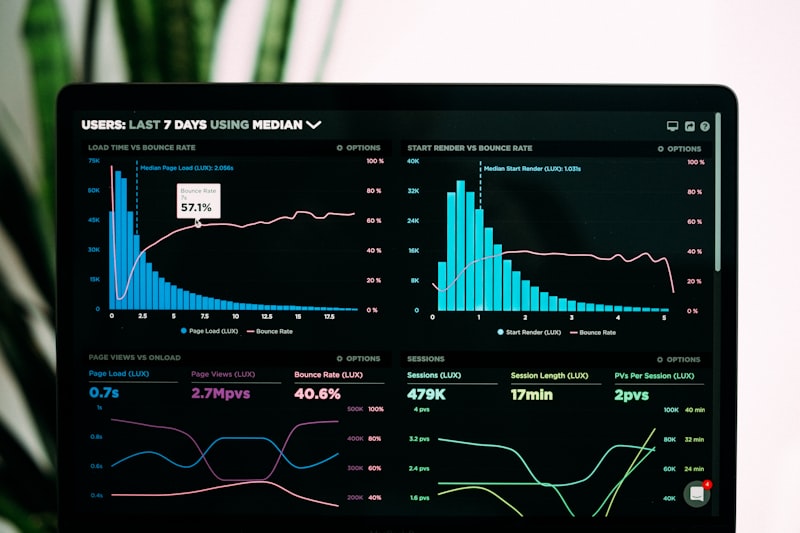
Use YouTube Analytics to identify optimal chapter placement based on viewer behavior
Multi-Platform Chapter Strategy
Extend the value of your chapters beyond YouTube:
- Blog post integration: Create companion blog posts that expand on each chapter with additional details and resources.
- Social media teasers: Share specific chapters on social media to drive traffic to your full video.
- Email marketing: Use chapters as content segments in your email newsletters.
- Course creation: Repurpose chapter-based videos into structured online courses.
Chapter-Based Audience Segmentation
Use chapters to cater to different segments of your audience within the same video:
- Beginner vs. Advanced sections: Clearly label chapters for different knowledge levels.
- Problem-specific solutions: Create chapters that address specific problems or use cases.
- Tool-specific demonstrations: Group content by the tools or software being demonstrated.
- Audience-specific applications: Tailor chapters to different audience segments (e.g., "For Small Businesses," "For Enterprise Users").
Chapter Performance Optimization
Continuously refine your chapter strategy based on performance data:
- A/B test chapter titles: Experiment with different title formulations to see which generate more clicks.
- Analyze chapter engagement patterns: Identify which types of chapters maintain viewer attention best.
- Optimize chapter length: Adjust chapter duration based on engagement metrics.
- Seasonal chapter updates: Refresh chapter content for evergreen videos to maintain relevance.
Chapter-Based Monetization Strategies
Leverage chapters to enhance your monetization efforts:
- Strategic ad placement: Place mid-roll ads at natural chapter transitions rather than interrupting content flow.
- Chapter-specific promotions: Promote relevant products or services within specific chapters.
- Premium content upgrades: Offer expanded versions of popular chapters as premium content.
- Sponsorship integration: Create sponsor-focused chapters that provide value while featuring sponsored content.
These advanced strategies transform YouTube Chapters from a simple navigation tool into a powerful framework for content optimization, audience engagement, and channel growth.
Measuring Success: Analytics and Performance Tracking
To maximize the effectiveness of your YouTube Chapters strategy, you need to track performance and make data-driven decisions. This section covers the key metrics and analytical approaches for measuring chapter success.
Key Performance Indicators for YouTube Chapters
Track these essential metrics to evaluate your chapter performance:
| Metric | What It Measures | Why It Matters |
|---|---|---|
| Chapter Click-Through Rate | How often viewers click on chapters | Indicates chapter relevance and appeal |
| Chapter Watch Time | Time spent in each chapter segment | Shows which content resonates most |
| Chapter Completion Rate | Percentage of viewers who finish each chapter | Reveals engagement quality by segment |
| Chapter-to-Chapter Retention | How many viewers continue to next chapter | Measures content flow and pacing |
| Most Replayed Chapters | Sections viewers rewatch most frequently | Identifies high-value content moments |
Using YouTube Analytics for Chapter Insights
YouTube Analytics provides several tools for tracking chapter performance:
- Audience Retention Report: Shows where viewers are dropping off and which chapters maintain attention.
- Engagement Reports: Tracks clicks on chapters and other interactive elements.
- Traffic Source Reports: Reveals how viewers discovering your content through chapters.
- Playback Locations: Shows where chapters are being used (embedded players, mobile, etc.).
Sample Chapter Performance Dashboard
A/B Testing Chapter Strategies
Systematically test different chapter approaches to optimize performance:
- Title variations: Test different chapter title formulations to see which generate more clicks.
- Chapter length experiments: Compare engagement between shorter and longer chapters.
- Placement tests: Experiment with different chapter transition points.
- Structural variations: Test different chapter organization patterns.
Competitive Chapter Analysis
Learn from successful creators in your niche by analyzing their chapter strategies:
- Identify common chapter patterns in top-performing videos
- Note which chapter titles seem to generate the most engagement
- Analyze how competitors structure complex topics using chapters
- Identify gaps in competitor chapter strategies that you can exploit
Analytics Insight: The most successful chapters often occur at natural transition points in the content rather than arbitrary time intervals. Pay attention to where viewers naturally pause or rewatch content, as these often indicate ideal chapter boundaries.
Long-Term Chapter Performance Tracking
Monitor how chapter performance evolves over time:
- Seasonal trends: Note how chapter engagement changes throughout the year.
- Content lifecycle patterns: Track how chapter performance changes as videos age.
- Algorithm impact: Correlate chapter usage with changes in video recommendations.
- Audience growth correlation: Analyze how chapter usage relates to subscriber growth.
By systematically tracking and analyzing chapter performance, you can continuously refine your approach to maximize engagement, watch time, and channel growth.
Common YouTube Chapter Mistakes to Avoid
Even experienced creators can make mistakes when implementing YouTube Chapters. Avoiding these common pitfalls will help you maximize the benefits while creating a better experience for your viewers.
Mistake 1: Vague or Unhelpful Chapter Titles
The Problem: Using generic titles like "Part 1," "Section 2," or "Continued" that don't give viewers any information about the content.
The Solution: Use descriptive, benefit-focused titles that clearly communicate what viewers will find in each chapter. Think about what someone would search for to find that specific content.
Instead of: "Part 3"
Use: "Advanced Camera Settings for Low Light Photography"
Mistake 2: Incorrect Timestamp Formatting
The Problem: Using improper timestamp formats that YouTube can't recognize, such as "2.15" instead of "2:15" or forgetting that the first timestamp must be "0:00".
The Solution: Always use MM:SS or HH:MM:SS format, ensure the first timestamp is 0:00, and list timestamps in chronological order without gaps.
Mistake 3: Chapters That Are Too Long or Too Short
The Problem: Creating chapters that are either excessively long (defeating the purpose of easy navigation) or too short (creating a disruptive, jumpy experience).
The Solution: Aim for chapters between 2-5 minutes for most content types. Adjust based on your specific content and audience preferences.

Poor chapter implementation can frustrate viewers and reduce engagement
Mistake 4: Keyword Stuffing Chapter Titles
The Problem: Over-optimizing chapter titles with keywords to the point where they become unnatural or difficult to read.
The Solution: Balance SEO optimization with readability. Create titles that are both search-friendly and user-friendly.
Instead of: "Best Python Tutorial Programming Code Examples Learn Python Fast"
Use: "Python Code Examples for Beginners"
Mistake 5: Inconsistent Chapter Implementation
The Problem: Using chapters sporadically across your channel rather than implementing them consistently.
The Solution: Make chapters a standard part of your content creation workflow. Viewers come to expect certain features, and inconsistency can reduce trust and engagement.
Mistake 6: Ignoring Chapter Analytics
The Problem: Implementing chapters but not tracking their performance or making data-driven improvements.
The Solution: Regularly review chapter performance in YouTube Analytics. Identify which chapters work well and which need improvement, then adjust your strategy accordingly.
Mistake 7: Poor Chapter Transitions
The Problem: Placing chapter markers at awkward points in the content rather than natural transition points.
The Solution: Plan chapters during content creation rather than as an afterthought. Place chapter markers at natural breaks in the content where topics clearly shift.
Mistake 8: Overcomplicating Chapter Structure
The Problem: Creating too many chapters or an overly complex structure that confuses rather than helps viewers.
The Solution: Keep chapter structure simple and intuitive. For most videos, 5-8 well-defined chapters are more effective than 15+ micro-chapters.
Mistake 9: Not Promoting Chapter Usage
The Problem: Implementing chapters but not encouraging viewers to use them.
The Solution: Mention your chapters in the video introduction, use visual cues when transitioning between chapters, and occasionally remind viewers they can jump to specific sections.
Mistake 10: Treating Chapters as an Afterthought
The Problem: Adding chapters as a last-minute consideration rather than integrating them into your content strategy.
The Solution: Plan chapters during the content creation process. Consider how chapters will enhance the viewing experience and support your content goals.
By avoiding these common mistakes, you'll create chapters that genuinely enhance the viewer experience while maximizing the SEO and engagement benefits for your channel.
Case Studies: Success Stories with YouTube Chapters
Real-world examples demonstrate the powerful impact of YouTube Chapters. These case studies show how different types of channels have successfully leveraged chapters to improve performance.
Case Study 1: Educational Channel - "Science Explained"
Background
"Science Explained" is a channel dedicated to making complex scientific concepts accessible to general audiences. Despite high-quality content, they struggled with viewer retention, particularly in longer videos exploring multifaceted topics.
The Challenge
- 45% average viewer drop-off rate in videos over 15 minutes
- Low completion rates for complex topic explanations
- Difficulty ranking for specific scientific concepts within broader videos
- Viewer complaints about difficulty finding specific information
The Chapter Solution
The channel implemented a structured chapter system:
- Created descriptive chapters for each major concept within videos
- Used keyword-rich titles targeting specific scientific queries
- Added "prerequisite" chapters for foundational knowledge
- Included "deep dive" chapters for advanced viewers
The Results
After implementing chapters across their content library:
- Average watch time increased by 28%
- Viewer retention improved by 35% in the first 30 days
- Video completion rates increased from 42% to 61%
- Search traffic for specific scientific terms increased by 75%
- Channel subscription rate grew by 22%

Educational content benefits significantly from well-structured chapters
Case Study 2: Cooking Channel - "Quick Kitchen"
Background
"Quick Kitchen" creates recipe tutorial videos. Their audience consisted primarily of home cooks looking for specific recipes or techniques, but viewers often abandoned videos when they couldn't quickly find the information they needed.
The Challenge
- High bounce rate from viewers looking for specific recipe steps
- Difficulty ranking for individual recipe components
- Low engagement with introductory content
- Frustrated comments about difficulty navigating to specific sections
The Chapter Solution
The channel implemented recipe-specific chapters:
- Created standardized chapters for common recipe components
- Used action-oriented titles like "Chopping Vegetables" or "Making the Sauce"
- Added "Pro Tips" chapters with advanced techniques
- Included "Alternative Methods" chapters for variations
The Results
After chapter implementation:
- Average view duration increased by 41%
- Recipe completion rate (viewers watching through final result) improved by 52%
- Comments specifically praising the chapter navigation increased dramatically
- Video shares increased by 67%, with viewers often sharing specific chapter timestamps
- Channel authority for recipe searches improved significantly
Case Study 3: Tech Review Channel - "Gadget Guide"
Background
"Gadget Guide" produces comprehensive technology product reviews. Their detailed reviews covered multiple aspects of each product, but viewers interested in specific features often struggled to find relevant sections.
The Challenge
- Viewers interested in specific features (camera, battery, performance) abandoning videos
- Difficulty ranking for individual product features within broader reviews
- Low engagement with comprehensive review format
- Competitors gaining advantage with more navigable content
The Chapter Solution
The channel implemented feature-specific chapters:
- Created standardized chapters for common product features
- Used benefit-focused titles like "Camera Performance in Low Light"
- Added comparison chapters pitting products against competitors
- Included "Value Analysis" and "Recommendation" chapters
The Results
After implementing the chapter system:
- Watch time increased by 33% across the channel
- Viewer retention for specific feature chapters exceeded 85%
- Search visibility for individual product features improved dramatically
- Comment engagement increased by 48%, with more specific, feature-focused discussions
- Sponsorship opportunities increased due to higher engagement metrics
Key Takeaways from Case Studies
These case studies reveal several consistent patterns:
- Standardization works: Creating consistent chapter structures across similar content types improves user experience.
- Specificity drives engagement: Detailed, feature-specific chapters perform better than general categories.
- User intent matters: Chapters that anticipate and address specific viewer needs see higher engagement.
- SEO benefits compound: Improved engagement metrics lead to better rankings, which drives more traffic.
- Cross-platform sharing increases: Viewers are more likely to share specific chapters than entire videos.
These real-world examples demonstrate that YouTube Chapters aren't just a navigation feature—they're a powerful tool for improving content strategy, audience engagement, and channel growth across diverse content categories.
The Future of Video Navigation Beyond Chapters
As video content continues to evolve, so do the methods for navigating and interacting with it. While YouTube Chapters represent a significant step forward, the future promises even more sophisticated approaches to video navigation and engagement.
AI-Powered Automatic Chapter Generation
YouTube is already experimenting with AI systems that can automatically detect content transitions and generate chapters. Future developments may include:
- Content-aware chaptering: AI that understands semantic content and creates logical chapters based on topic shifts.
- Personalized chapters: Systems that adapt chapter structure based on individual viewer preferences and watch history.
- Multimodal analysis: AI that combines visual, audio, and text analysis to identify optimal chapter boundaries.
- Dynamic chaptering: Systems that can adjust chapter structure in real-time based on viewer engagement patterns.
Interactive and Branching Video Experiences
The future of video navigation may move beyond linear chapters to more interactive experiences:
- Choose-your-own-adventure videos: Viewers select their path through content based on interests or knowledge level.
- Adaptive content depth: Videos that automatically adjust detail level based on viewer engagement signals.
- Interactive learning paths: Educational content that branches based on comprehension checks or user choices.
- Personalized content sequencing: AI that reorders video segments based on individual learning styles or preferences.

The future of video navigation may include AI-powered personalized experiences
Enhanced Search and Discovery Within Videos
Future video platforms may offer more sophisticated ways to find specific content within videos:
- Semantic search within videos: Finding specific concepts or demonstrations regardless of exact terminology.
- Visual search: Searching for specific visual elements or demonstrations within video content.
- Cross-video navigation: Seamlessly jumping between related segments across multiple videos.
- Knowledge graph integration: Videos connected to structured knowledge databases for enhanced navigation.
Immersive and Spatial Navigation
As VR and AR content becomes more prevalent, navigation methods will evolve accordingly:
- Spatial chapters: Navigation based on physical location within virtual environments.
- Gesture-based navigation: Using hand gestures or controller inputs to navigate video content.
- 3D content mapping: Navigating complex 3D content through spatial interfaces.
- Multi-perspective viewing: Switching between different camera angles or viewpoints within the same video.
Social and Collaborative Navigation
Future video platforms may incorporate more social elements into navigation:
- Collaborative chaptering: Communities working together to create optimal navigation structures.
- Social navigation paths: Following the viewing paths of friends or experts with similar interests.
- Crowdsourced highlights: Systems that automatically identify popular segments based on collective viewer behavior.
- Expert-curated paths: Navigation guided by domain experts or trusted creators.
Preparing for the Future of Video Navigation
While these advanced navigation features are still developing, creators can prepare by:
- Structuring content logically: Well-organized content will transition more easily to future navigation systems.
- Using clear segmentation: Creating natural break points makes content more adaptable to new navigation methods.
- Implementing current best practices: Mastering today's chapter system provides a foundation for future advancements.
- Experimenting with interactive elements: Testing current interactive features builds experience for more advanced implementations.
Future Insight: The most successful creators in the coming years will be those who view video navigation not as a technical feature but as an integral part of content design. By creating content with navigation in mind from the beginning, you'll be well-positioned to leverage new technologies as they emerge.
While YouTube Chapters represent the current state of video navigation, the future promises even more sophisticated and personalized ways for viewers to engage with content. By understanding these trends and preparing accordingly, creators can stay ahead of the curve and continue to deliver exceptional viewing experiences.
Frequently Asked Questions (FAQs)
Yes, YouTube Chapters can significantly improve both SEO and watch time when implemented correctly. Chapters improve SEO by providing additional context to YouTube's algorithm about your video content through descriptive titles and structured organization. This can help your video rank for more specific search queries. For watch time, chapters reduce viewer frustration by making it easy to find relevant content, which decreases early drop-offs and increases overall viewing duration. Multiple case studies have shown average watch time increases of 15-25% after implementing chapters.
The optimal number of chapters depends on your video length and content type, but generally:
- 5-10 minute videos: 3-5 chapters
- 10-20 minute videos: 5-8 chapters
- 20-30 minute videos: 8-12 chapters
- 30+ minute videos: 12-15 chapters
The key is to create natural segments based on content transitions rather than arbitrary time intervals. Each chapter should cover a distinct topic or concept and be long enough to provide substantial value (typically 2-5 minutes for most content types). Avoid creating too many micro-chapters as this can create a disruptive viewing experience.
Yes, you can add chapters to existing YouTube videos at any time. Simply edit your video description and add the timestamp list following the proper format (starting with 0:00, in chronological order). YouTube will automatically detect the chapters and update the video navigation. This is a great way to improve the performance of your existing content library. Many creators have reported significant watch time increases after retroactively adding chapters to their popular videos.
Yes, YouTube Chapters work on all platforms including mobile devices. On mobile, chapters appear as segments on the video progress bar, just like on desktop. Tapping on a chapter segment will jump to that timestamp. Chapters are particularly valuable on mobile where precise scrubbing is more difficult. With over 70% of YouTube watch time coming from mobile devices, chapters provide an essential navigation tool for mobile viewers.
If you make timestamp errors, YouTube may not recognize your chapters, or they may not function correctly. Common mistakes include:
- First timestamp not being 0:00
- Timestamps not in chronological order
- Using incorrect format (e.g., 2.15 instead of 2:15)
- Chapters shorter than 10 seconds
If your chapters aren't working, check for these common errors. You can fix timestamp mistakes at any time by editing your video description. YouTube will update the chapters shortly after you save the changes.
Yes, in some cases YouTube Chapters can trigger rich snippets in Google search results. When users search for specific information, Google may display chapter markers directly in the search results, making your video more prominent and increasing click-through rates. This is more likely to happen for instructional or educational content where chapters represent distinct steps or topics. To maximize this opportunity, use clear, descriptive chapter titles that accurately reflect the content and include relevant keywords.
Yes, it's generally beneficial to mention your chapters in the video content, particularly in the introduction. Briefly outlining what viewers can expect in each chapter sets expectations and encourages them to use the navigation feature. You might say something like, "This video is divided into three main sections: first we'll cover the basics, then we'll move to advanced techniques, and finally we'll discuss common mistakes to avoid. Use the chapters below to jump to any section that interests you." This simple mention can significantly increase chapter usage and viewer satisfaction.
YouTube Chapters and automatic captions are separate features that work independently. Chapters are based on the timestamps you provide in the description, while automatic captions are generated by YouTube's speech recognition technology. However, well-structured chapters can complement your captions by making it easier for viewers to navigate to specific sections of dialogue. There's no direct integration between the two features, but they work well together to improve overall accessibility and user experience.
While YouTube does allow some special characters in chapter titles, it's generally best to avoid emojis for several reasons:
- Emojis may not display consistently across all devices and platforms
- They can make chapters look unprofessional in certain contexts
- Screen readers may not interpret emojis correctly, reducing accessibility
- They take up character space that could be used for descriptive text
Instead of emojis, focus on clear, descriptive text that accurately represents each chapter's content. If you do use special characters, test them thoroughly across different devices to ensure they display correctly.
YouTube chapters typically appear within a few minutes to an hour after you add them to your video description. In some cases, it may take slightly longer, especially if YouTube's systems are experiencing high load. If your chapters haven't appeared after several hours, double-check your timestamp formatting to ensure there are no errors. Remember that the first timestamp must be 0:00, all timestamps must be in chronological order, and each chapter must be at least 10 seconds long. If everything is formatted correctly and chapters still aren't appearing, try removing and re-adding the timestamp list.
Yes, YouTube Chapters work on embedded videos as well as on YouTube.com. When you embed a YouTube video on your website or blog, the chapter navigation will appear on the progress bar just like it does on YouTube. This makes chapters valuable for content that you plan to embed across multiple platforms. However, note that some custom video players or older embedding methods might not support chapter display, so it's always good to test your embedded videos to ensure chapters are working correctly.
While YouTube doesn't provide specific "chapter analytics," you can gain insights into chapter usage through several metrics in YouTube Analytics:
- Audience Retention: Shows where viewers are dropping off, which can indicate chapter effectiveness
- Engagement Reports: Tracks clicks on interactive elements including chapters
- Traffic Sources: May show traffic coming from chapter-specific links
- Most Replayed Sections: Indicates which parts of your video viewers find most valuable
By analyzing these metrics in relation to your chapter structure, you can determine which chapters are most effective and optimize your approach accordingly.
Ready to Transform Your YouTube Strategy?
Start implementing YouTube Chapters today and watch your engagement metrics soar. Remember, great content deserves great navigation—don't let your viewers miss out on your best moments.
Explore More SEO Tools & ResourcesConclusion: Elevate Your Content with Chapters
Throughout this comprehensive guide, we've explored the multifaceted benefits of YouTube Chapters and how to implement them effectively. From improving SEO and watch time to enhancing viewer experience and content discoverability, chapters represent a powerful tool in any creator's arsenal.
The evidence is clear: videos with well-structured chapters perform better across virtually every metric that matters. They keep viewers engaged longer, make content more accessible, provide additional SEO opportunities, and create a more professional viewing experience. In today's competitive YouTube landscape, these advantages can make the difference between content that thrives and content that gets lost in the algorithm.
As we've seen through numerous case studies and data analysis, the impact of chapters extends far beyond simple navigation. They transform how viewers interact with your content, how YouTube's algorithm understands and promotes your videos, and how your channel grows over time. The investment in properly implementing chapters pays dividends through increased watch time, better rankings, and higher viewer satisfaction.
Looking forward, the principles of good content organization will only become more important. As AI-powered navigation and interactive features evolve, creators who have mastered structured content will be best positioned to leverage new technologies. YouTube Chapters represent the current state of video navigation, but the underlying principles of logical organization and user-centered design will remain relevant regardless of how the technology evolves.
As you implement YouTube Chapters in your content strategy, remember these key principles:
- Plan during creation: The most effective chapters are integrated into your content from the beginning, not added as an afterthought.
- Focus on user needs: Create chapters that address what viewers actually want to find, not just how you've structured your content.
- Be descriptive and specific: Vague chapter titles help no one—clear, benefit-focused titles drive engagement.
- Maintain consistency: Develop a chapter strategy that works across your content library to create a familiar experience for returning viewers.
- Measure and optimize: Use analytics to understand how viewers interact with your chapters and continuously improve your approach.
Final Thought: YouTube Chapters are more than just a feature—they're a philosophy of content creation that prioritizes the viewer experience. By making your content easily navigable and accessible, you demonstrate respect for your audience's time and intelligence. This viewer-centric approach not only improves immediate metrics but builds the long-term trust and loyalty that sustains successful channels.
As you move forward with implementing YouTube Chapters, remember that perfection isn't the goal—consistent improvement is. Start with your most important videos, apply the principles outlined in this guide, learn from the results, and refine your approach. With time and practice, chapters will become an integral part of your content creation process, helping you create better videos and build a stronger connection with your audience.
The power to transform your YouTube channel is in your hands—or more precisely, in your video descriptions. Start chaptering your content today and unlock the full potential of your creative work.